
TL;DR:
- Assess your actual nutritional needs with blood work before supplementing.
- Consult healthcare providers and disclose all supplements to prevent dangerous interactions.
- Use third-party tested products, follow dosage instructions, and avoid unnecessary supplement stacking.
You buy a well-reviewed protein powder, follow the scoop instructions, and within three days you’re dealing with bloating, headaches, and a nagging sense that something is off. Sound familiar? Millions of fitness enthusiasts face this exact scenario every year, yet most side effects from supplements are preventable with the right approach. This guide walks you through five practical, science-backed strategies to help you supplement smarter: assessing your real needs, working with a healthcare provider, building safe habits, spotting high-risk products, and knowing when less is genuinely more. Every step is grounded in evidence, not marketing claims.
Table of Contents
- Understand your needs and risks before supplementing
- Consult a healthcare provider and communicate openly
- Follow safe supplement practices and avoid common pitfalls
- Identify and avoid high-risk supplements
- The overlooked truth: Less is often more with supplements
- Take supplement safety further with trusted reviews
- Frequently asked questions
Key Takeaways
| Point | Details |
|---|---|
| Check for real need | Assess your diet and health with professional input before starting a supplement. |
| Speak with your doctor | Always disclose your supplement use and check for possible interactions or surgery concerns. |
| Follow safe habits | Start with low doses, follow instructions, monitor for side effects, and avoid stacking products. |
| Beware risky supplements | Avoid high-risk products like weight loss and stimulant powders, and look for third-party testing. |
Understand your needs and risks before supplementing
The single biggest mistake people make is reaching for a supplement before asking a basic question: do I actually need this? The fitness world makes it easy to assume more is better, but that assumption is where problems start. Before you add anything to your routine, take stock of what your diet already provides and where the genuine gaps are.
The gold standard here is bloodwork. Vitamin and mineral deficiencies should be confirmed through lab testing before you start supplementing, not guessed at based on fatigue or a social media post. A simple blood panel can reveal whether your vitamin D, B12, iron, or magnesium levels are actually low. Without that data, you’re essentially throwing darts in the dark.
Food should always come first. Nutrients from food come packaged with fiber, antioxidants, and co-factors that help your body absorb and use them efficiently. A supplement cannot replicate that complexity. Whole foods also reduce the risk of accidentally exceeding safe intake levels, which is a real concern when you start stacking multiple products.
That said, some people genuinely do need supplements. Older adults often struggle to absorb B12 from food. People who live in northern climates or work indoors frequently test low for vitamin D. Vegans and vegetarians may need omega-3s, iron, or zinc. Pregnant women need folate. These are evidence-based use cases, not marketing angles.
Here is a quick look at who commonly benefits from specific supplements:
| Population | Likely nutrient gap | Preferred supplement form |
|---|---|---|
| Older adults (65+) | Vitamin B12, D | Sublingual B12, D3 |
| Vegans/vegetarians | Iron, zinc, omega-3 | Plant-based DHA, chelated iron |
| Indoor workers | Vitamin D | D3 with K2 |
| Pregnant women | Folate, iron | Methylfolate, ferrous bisglycinate |
| Athletes in training | Magnesium, electrolytes | Magnesium glycinate |
Before you even look at a supplement label, run through this checklist:
- Track your meals for at least five to seven days using a nutrition app
- Note any symptoms that might signal a deficiency (fatigue, brittle nails, poor recovery)
- Get a blood panel that includes the nutrients you suspect you’re low in
- Review your current diet for fortified foods that may already cover your needs
- Research safe supplement dosages before making any purchase
Pro Tip: Log your eating habits for a full week before buying anything. You may discover you’re already hitting your targets through food and fortified cereals, which makes supplementing unnecessary and potentially risky.
This step is not about discouraging supplements. It’s about making sure the ones you take are actually doing something useful.
Consult a healthcare provider and communicate openly
Once you know your needs, the next step is working closely with qualified health professionals. This is not optional advice for people with complex medical histories. It applies to healthy, active adults too, because supplements interact with the body in ways that are not always obvious.
A doctor or registered dietitian can spot risks that you would never catch on your own. St. John’s Wort, for example, is a popular herbal supplement for mood support, but it significantly reduces the effectiveness of birth control pills, blood thinners, and certain antidepressants. Fish oil at high doses can increase bleeding risk. Even vitamin E in large amounts has been linked to cardiovascular concerns in some populations. Consulting a healthcare provider before starting any new supplement is the single most effective way to catch these issues early.
The problem is that most people don’t tell their doctors what they’re taking. Non-disclosure to doctors is extremely common, and it leads directly to avoidable interactions and side effects. Many patients assume supplements are too minor to mention, or they worry about being judged. Neither reason is worth the risk.
Here are the most important things to disclose at your next appointment:
- Every supplement you take, including protein powders, herbal teas, and pre-workouts
- The exact brand, dose, and frequency of each product
- Any recent changes to your supplement stack
- Over-the-counter medications you take regularly (antihistamines, NSAIDs, antacids)
- Your fitness goals, since these affect which supplements your provider might recommend or flag
Special populations face even higher stakes. If you’re scheduled for surgery, your provider needs a full supplement list at least two weeks in advance. Garlic, ginkgo, ginseng, and vitamin E can all affect bleeding and anesthesia response. People managing chronic conditions like diabetes, kidney disease, or heart problems face supplement-drug interactions that can be genuinely dangerous.
Elderly individuals are particularly vulnerable because they often take multiple prescription medications and may have reduced kidney or liver function, which affects how supplements are processed and eliminated.
“The safest supplement stack is one your healthcare provider knows about.” Transparency is not just good practice. It is a core safety strategy.
When evaluating supplement quality and deciding what to buy, bring that research to your appointment. Your provider can help you separate the evidence-based options from the overhyped ones.
Follow safe supplement practices and avoid common pitfalls
With expert input in hand, it’s time to put a plan into action and develop safe supplement habits. Knowing what to take is only half the equation. How you take it matters just as much.
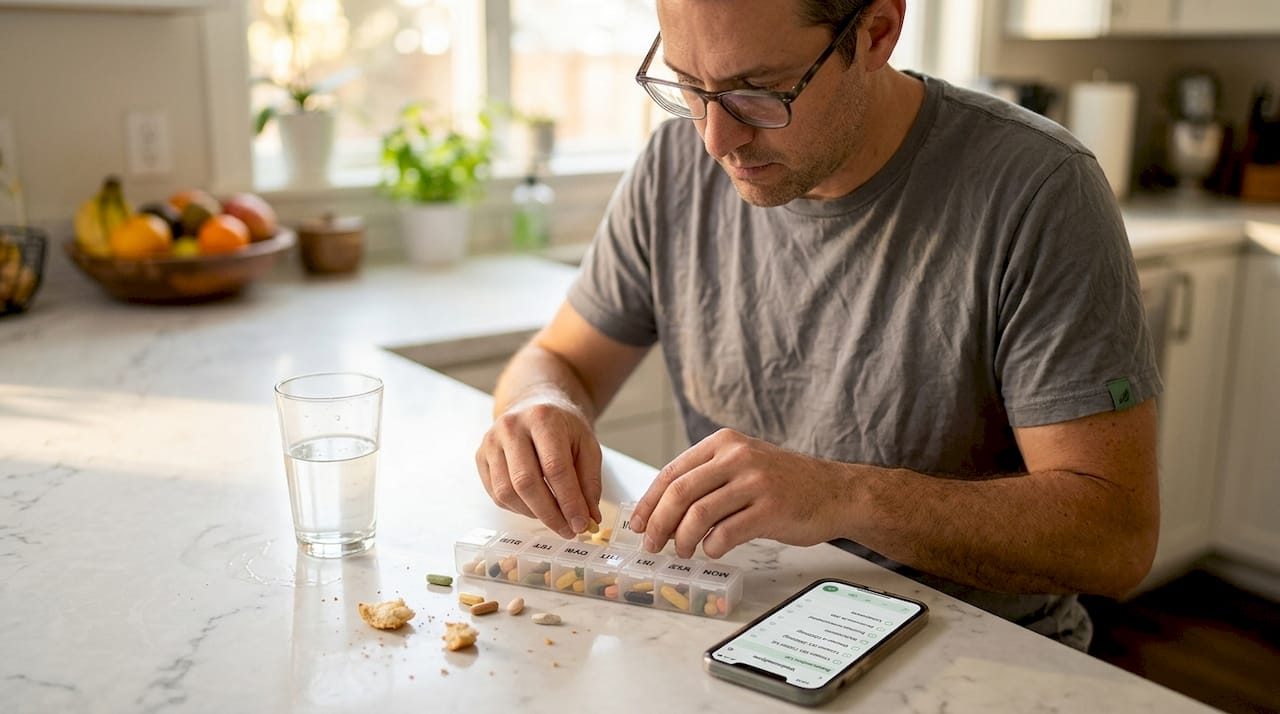
The most fundamental rule is to follow the label or your provider’s dosing instructions exactly. This sounds obvious, but many people assume that doubling the dose will double the benefit. It won’t. Fat-soluble vitamins like A, D, E, and K accumulate in body tissue, and exceeding upper intake limits can cause toxicity over time. Water-soluble vitamins are less likely to accumulate, but very high doses of B6, for instance, have been linked to nerve damage.
For fiber supplements and protein powders, the approach is different. Starting low and slow and staying well hydrated is the key to avoiding the GI distress that makes people quit these products in the first week. Begin with half a serving, drink at least 16 ounces of water alongside it, and increase gradually over two to three weeks.
Ingredient overlap is a sneaky source of excess. If you take a multivitamin and also eat fortified breakfast cereal and drink a fortified protein shake, you may be getting three times the recommended amount of certain B vitamins or zinc without realizing it. Read every label and add up your total daily intake across all sources.
Here’s a comparison of common supplementing mistakes versus the safer alternative:
| Common mistake | Safer approach |
|---|---|
| Taking the max dose from day one | Start at half dose, increase gradually |
| Ignoring fortified foods in your diet | Track all sources of key nutrients daily |
| Stacking multiple fat-soluble vitamins | Limit to one high-dose fat-soluble supplement |
| Taking supplements on an empty stomach | Take with food to reduce nausea and improve absorption |
| Skipping days then doubling up | Take consistently at the same time each day |
Here is a numbered approach to building safer habits:
- Read the full supplement label before your first dose
- Cross-check the dose against established upper limits for that nutrient
- Start at a lower dose if it’s a new supplement, especially fiber or protein
- Drink adequate water throughout the day, not just when you take the supplement
- Track your intake using a nutrition app or supplement log
- Note any symptoms in the first two weeks and report them to your provider
Pro Tip: Use a free supplement tracking app or a simple pill organizer labeled by day to avoid accidental double dosing. It takes two minutes to set up and eliminates one of the most common causes of supplement side effects.
Understanding exercise and supplement synergy can also help you time your intake for maximum benefit with minimum risk.
Identify and avoid high-risk supplements
Even with best practices in place, some supplement categories deserve special caution. Not all supplements carry the same risk profile, and knowing which ones to approach carefully can save you from serious harm.
Protein powders, weight loss products, and stimulant-based pre-workouts sit at the top of the high-risk list. These categories are heavily marketed, loosely regulated, and frequently contaminated with undisclosed ingredients. Herbals, protein powders, and stimulants carry higher risks of contamination, adulteration, and liver toxicity than most people realize.
Here is a critical statistic: herb and dietary supplement products account for at least 16% of acute liver injury cases reported in the United States. That number has been rising steadily as supplement use increases. Bodybuilding supplements and weight loss products are among the most common culprits.
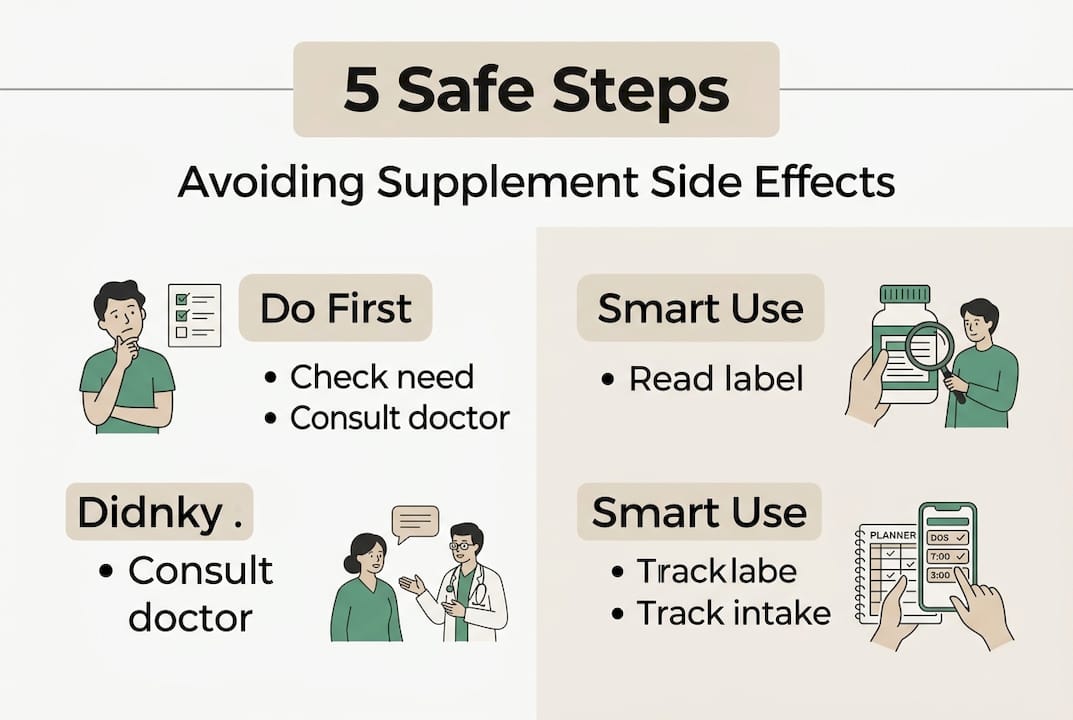
The word “natural” offers zero protection. FDA pre-approval is not required for supplements, which means a product can reach store shelves without any independent safety verification. Arsenic, lead, and synthetic stimulants have all been found in supplements labeled as “all-natural.”
Here’s what to watch for when verifying supplement safety:
- Look for third-party testing seals from NSF International, USP, or Informed Sport
- Avoid products with proprietary blends that hide individual ingredient doses
- Be skeptical of any supplement promising rapid weight loss or extreme muscle gain
- Check the FDA’s warning database for recalled or flagged products
- Avoid combining multiple stimulant-based products (pre-workout plus fat burner plus energy drink)
For anyone with a preexisting liver condition, kidney disease, or heart problem, high-risk supplement categories are best avoided entirely unless a specialist specifically approves them. The same applies before any surgical procedure. Check protein powder dangers if you rely heavily on shakes for your daily protein intake.
Key takeaway: A third-party tested supplement from a reputable brand is almost always the better choice, even if it costs more. The savings from a cheap, unverified product are not worth the potential health cost.
The overlooked truth: Less is often more with supplements
Here’s something the supplement industry will never put on a label: most people who experience side effects are not taking bad supplements. They’re taking too many supplements at once, without a clear reason for each one.
The pressure to optimize is real. Fitness culture rewards people who appear to have their nutrition dialed in, and a long supplement stack can look like dedication. But from a risk management perspective, every additional product you add increases the chance of an interaction, an excess, or a reaction you can’t trace back to its source.
We’ve seen this pattern repeatedly in the supplement space. Someone starts with a multivitamin, adds a protein powder, then a pre-workout, then a fat burner, then a sleep supplement. Within weeks, they’re experiencing symptoms they attribute to stress or poor sleep, not realizing the stack itself is the problem.
The most effective approach is almost always a short list of targeted supplements backed by actual evidence for your specific situation. Three well-chosen products you take consistently will outperform ten products you take haphazardly every time. Knowing your supplement limits is not about being conservative. It’s about being strategic.
Treat supplements as tools, not shortcuts. A hammer is useful when you need to drive a nail. Carrying twenty hammers doesn’t make you a better builder. The same logic applies here. Fewer, smarter choices lead to better outcomes and far fewer side effects.
Take supplement safety further with trusted reviews
You now have a solid framework for supplementing safely. But applying it in the real world means knowing which specific products actually meet the standards we’ve outlined: third-party tested, properly dosed, and backed by real evidence.
That’s exactly what RankOfSupplements.com is built for. Our team analyzes ingredient quality, dosing accuracy, and safety profiles so you don’t have to guess. Whether you’re exploring fibre supplement reviews to support digestion without GI distress, looking for trusted protein picks that are free from contaminants, or researching fat burner safety before adding a thermogenic to your routine, our rankings cut through the noise. Every review prioritizes transparency, safety, and science. Start there before you start supplementing.
Frequently asked questions
What are the most common side effects of supplements?
The most common side effects include digestive issues like bloating, gas, and nausea, as well as headaches and occasional allergic reactions. Starting with a lower dose and staying hydrated significantly reduces these reactions, especially with fiber and protein products.
How can I tell if I’m taking too much of a supplement?
Watch for symptoms like nausea, persistent headaches, fatigue, or unusual changes in urine color. Exceeding upper intake limits for fat-soluble vitamins in particular can cause toxicity that builds gradually.
Should I avoid all supplements before surgery?
Yes, always disclose your full supplement list to your surgeon well in advance. Some supplements can interact dangerously with anesthesia or impair blood clotting during and after a procedure.
How do I check if a supplement is safe and high quality?
Choose products verified by third-party organizations like NSF International or USP, and cross-reference with expert rankings before purchasing. Fitness enthusiasts face higher contamination risks from powders and performance products, making independent verification especially important.
Is it safer to get nutrients from food instead of supplements?
Yes, for most healthy adults, food is the safer and more effective source of essential nutrients. Nutrients from food come with natural co-factors that improve absorption and reduce the risk of excess intake.