
TL;DR:
- Sports nutrition uses targeted food, fluids, and supplements to improve athletic performance, recovery, and health. Athletes require specific macronutrient targets, timing, and personalization, unlike sedentary diets. Proper focus on the 24 to 36 hour pre-competition window and individualized plans boost results and reduce injuries.
Sports nutrition is the science and practice of using food, fluids, and targeted supplementation to optimize athletic performance, recovery, and long-term health. Unlike general dietary advice, it applies structured strategies to the specific demands of training and competition. The field has matured significantly, with 2026 consensus statements from sports science authorities now centering on the 4Ps framework: Personalise, Periodise, Prefuel, and Prepare. These four principles give athletes a repeatable system for aligning what they eat with what their body actually needs at each stage of training. Whether you compete at an elite level or train consistently for personal goals, understanding sports nutrition education is the foundation of every performance gain you make.
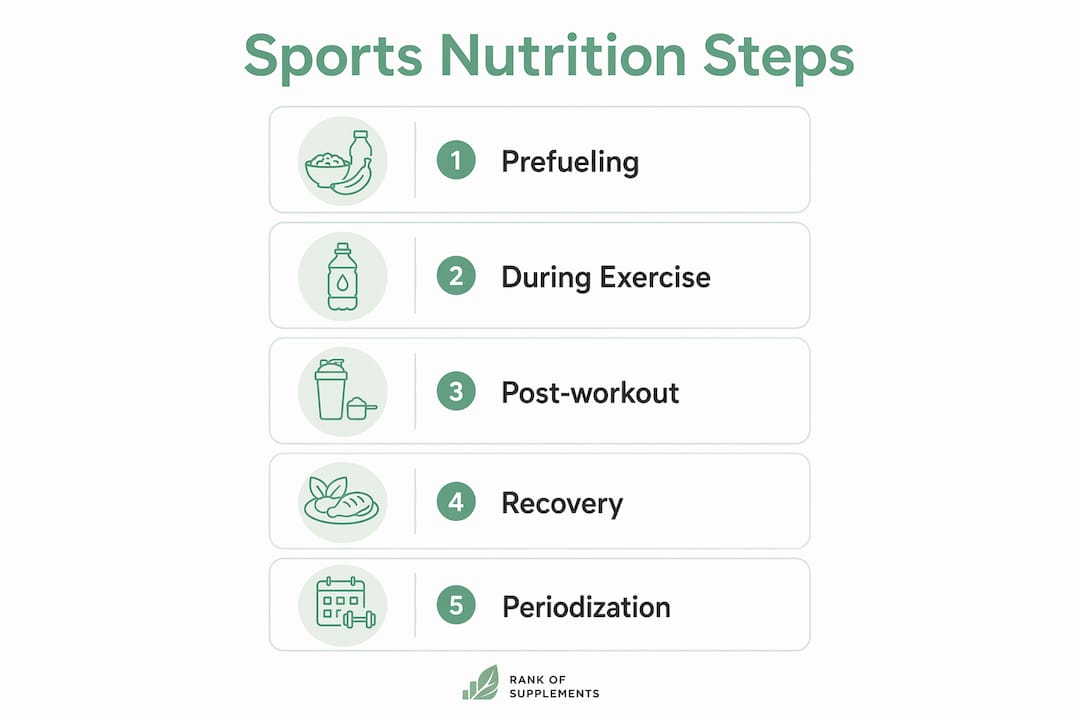
What is sports nutrition and how does it differ from regular eating?
Sports nutrition is defined as the deliberate manipulation of food and fluid intake to meet the physiological demands of exercise and sport. The key word is “deliberate.” A sedentary person eating a balanced diet can follow general population guidelines and do well. An athlete cannot. Training volume, intensity, and sport type create energy demands that standard dietary advice simply does not address.
The distinction shows up most clearly in macronutrient targets. General population guidelines recommend moderate carbohydrate and protein intake spread across meals. Athletes, by contrast, need carbohydrate intake of 6 to 10 g/kg body mass per day in the 24 to 36 hours before competition to fully saturate glycogen stores. That is a specific, quantified target tied directly to performance outcomes, not a general wellness recommendation.
The importance of sports nutrition also extends beyond performance. Proper fueling reduces oxidative stress and muscle damage caused by intense exercise. That means faster recovery, lower injury risk, and better adaptation to training over time. Eating well is not just about the next race. It is about building a body that holds up across an entire season.
Sports nutrition also addresses timing, periodization, and supplementation in ways that general nutrition does not. These are the tools that separate athletes who plateau from those who keep improving.
What nutritional needs set athletes apart from non-athletes?
Athletes carry significantly higher energy and nutrient demands than sedentary individuals. The exact numbers depend on sport type, training load, body composition goals, and individual metabolism. Getting these numbers right is the core task of any sports nutrition plan.
Macronutrient targets for active athletes
Carbohydrates are the primary fuel for high-intensity exercise. Athletes need 6 to 10 g/kg body mass daily in the lead-up to competition. For a 75 kg athlete, that translates to 450 to 750 g of carbohydrates per day. This is not a casual recommendation. Glycogen depletion is one of the most direct causes of performance decline, and carbohydrate loading in the 24 to 36 hour window before an event is the most reliable way to prevent it.

Protein supports muscle repair, growth, and immune function. The recommended range for athletes is 1.2 to 2.0 g/kg body weight per day. Endurance athletes sit toward the lower end; strength and power athletes sit toward the upper end. Spreading protein intake across 4 to 5 meals per day maximizes muscle protein synthesis compared to loading it into one or two large meals.
Fat should account for 20 to 35% of total energy intake for athletes. Dropping below 20% impairs absorption of fat-soluble vitamins A, D, E, and K, and limits essential fatty acid availability. Both outcomes hurt performance and health. Fat is not the enemy of athletic performance. Cutting it too aggressively is.
Micronutrients athletes cannot afford to ignore
| Micronutrient | Role in athletic performance | Key food sources |
|---|---|---|
| Iron | Oxygen transport via hemoglobin | Red meat, lentils, spinach |
| Calcium | Bone strength, muscle contraction | Dairy, fortified plant milks |
| Vitamin D | Muscle function, immune support | Fatty fish, sunlight exposure |
| Magnesium | Energy metabolism, muscle recovery | Nuts, seeds, whole grains |
| B vitamins | Energy production from carbohydrates | Whole grains, eggs, legumes |
Micronutrient deficiencies are common in athletes who restrict calories or follow narrow food patterns. Iron deficiency, for example, directly reduces aerobic capacity. Vitamin D insufficiency impairs muscle function and increases stress fracture risk. Addressing these gaps through whole foods first, and targeted supplementation second, is the standard approach in current sports nutrition guidelines.
How does nutrient timing affect performance and recovery?
Timing is one of the most underused tools in sports nutrition. What you eat matters. When you eat it matters just as much.
The 24 to 36 hour prefueling window
The biggest timing mistake athletes make is focusing only on the meal eaten two hours before competition. The real preparation window is the 24 to 36 hours before the event. Carbohydrate loading during this period fills muscle and liver glycogen stores to capacity. An athlete who eats normally the day before a race starts at a disadvantage compared to one who has deliberately increased carbohydrate intake across that full window.
Practical carbohydrate sources for this phase include white rice, pasta, bread, oats, bananas, and sports drinks. These are fast-digesting, low-fiber options that maximize glycogen storage without causing gastrointestinal distress during competition.
In-event fueling and hydration
For events lasting longer than 60 to 90 minutes, in-event carbohydrate intake delays fatigue and maintains intensity. Sports gels, chews, and drinks delivering 30 to 60 g of carbohydrates per hour are the standard tools. Hydration runs parallel to fueling. Athletes should consume approximately 7 ml/kg body mass of fluid in the 2 to 3 hours before an event. During exercise, the goal is to keep body mass loss from sweat below 2%. Losing more than 2% of body mass through dehydration measurably reduces endurance performance and cognitive function.
- Drink 7 ml/kg body mass of fluid 2 to 3 hours before the event.
- Consume 30 to 60 g of carbohydrates per hour for events over 60 minutes.
- Sip fluids consistently during exercise rather than drinking large volumes at once.
- Monitor urine color: pale yellow indicates good hydration; dark yellow signals a deficit.
- Rehydrate post-event with 1.5 liters of fluid for every kilogram of body mass lost.
Post-workout recovery nutrition
The post-exercise window is where adaptation is either captured or lost. Consuming 1.0 to 1.5 g/kg of carbohydrate alongside 15 to 30 g of high-quality protein within one hour after training restores glycogen and triggers muscle protein synthesis. This combination is more effective than either nutrient alone. Good recovery meals include Greek yogurt with fruit, a chicken and rice bowl, or a whey protein shake with a banana. For deeper guidance on vitamins for muscle recovery, Rankofsupplements covers the specific micronutrients that support this process.
Pro Tip: Set a phone alarm for 45 minutes after your workout ends. That reminder is your cue to eat your recovery meal before the anabolic window closes.
Periodized nutrition across training cycles
Periodized nutrition aligns food intake with the demands of each training phase. During high-volume base training, carbohydrate intake increases to match energy expenditure. During taper weeks before competition, overall calories decrease but carbohydrate density increases. During the off-season, protein stays elevated to preserve muscle while total energy intake drops. This deliberate cycling prevents both underfueling and unnecessary fat gain across a full training year.
How can athletes build a personalized sports nutrition plan?
Personalization is the first P in the 4Ps framework for good reason. No two athletes have identical needs. Sport type, training load, body composition goals, sex, age, and even genetic factors all influence how an individual responds to specific nutrition strategies.
The starting point is an honest assessment of current intake. Most athletes who struggle with performance or recovery are either undereating total calories, undereating carbohydrates, or both. Tracking food intake for 5 to 7 days using a reliable method gives a clear baseline before any changes are made.
Key factors to personalize in your nutrition plan:
- Sport type: Endurance athletes need higher carbohydrate ratios; strength athletes need higher protein targets.
- Training load: Increase carbohydrate intake on high-volume training days; reduce it on rest days.
- Body composition goals: Athletes aiming to lose fat should create a modest calorie deficit (250 to 500 calories per day) without cutting carbohydrates so severely that training quality drops.
- Sex and age: Female athletes have specific needs around iron and calcium. Masters athletes over 40 benefit from higher protein intake to offset age-related muscle loss.
- Food preferences and tolerances: A plan that ignores what an athlete actually enjoys eating will not be followed consistently.
Pro Tip: Build your high-carbohydrate days around your hardest training sessions, not around the calendar. Your body does not care what day of the week it is.
Working with a registered sports dietitian produces better outcomes than self-directed planning alone. Professional guidance ensures that nutrition strategies are both scientifically sound and practically sustainable for the individual athlete’s lifestyle and schedule. For athletes who want to understand how to balance diet and supplements effectively, that combination of professional input and evidence-based supplementation is the most reliable path forward.
Two common misconceptions deserve direct correction. First, skipping breakfast before morning training is not inherently beneficial. Breakfast timing should be adjusted based on training goals, not eliminated based on generic dietary trends. Second, cutting dietary fat aggressively to lose weight backfires. Fat below 20% of total energy impairs vitamin absorption and essential fatty acid availability, which hurts both health and performance.
What role do supplements and hydration play in sports nutrition?
Supplements work best as additions to a well-structured diet, not replacements for one. The most effective supplements in sports nutrition are those with consistent evidence behind them and clear roles in filling gaps that whole foods cannot easily cover.
Evidence-based supplements for athletic performance include:
- Whey protein: Delivers a complete amino acid profile with high leucine content, which directly triggers muscle protein synthesis. Best used post-workout when whole food is not practical.
- Branched-chain amino acids (BCAAs): Support muscle repair and reduce exercise-induced muscle soreness, particularly useful during calorie-restricted phases.
- Creatine monohydrate: The most researched performance supplement available. Increases phosphocreatine stores, improving output during short, high-intensity efforts.
- Electrolytes: Sodium, potassium, and magnesium lost through sweat must be replaced during prolonged exercise. Sports drinks and electrolyte tablets serve this function efficiently.
- Caffeine: Studied for its ability to improve endurance performance and reduce perceived effort. Effective at doses of 3 to 6 mg/kg body mass consumed 30 to 60 minutes before exercise.
Hydration is not a supplement, but it functions like one in terms of its impact on performance. Even mild dehydration reduces strength, power, and decision-making speed. The pre-event hydration protocol of approximately 7 ml/kg body mass 2 to 3 hours before competition is the evidence-based standard. Overhydration carries its own risks, particularly hyponatremia, which occurs when excess fluid intake dilutes blood sodium levels. The goal is balance, not maximum fluid consumption.
Integrating supplements with whole-food nutrition produces better results than relying on either alone. For athlete recovery tips that address both nutrition and physical recovery strategies together, the combination approach consistently outperforms single-variable interventions. A well-designed supplement routine for fitness accounts for training phase, individual deficiencies, and performance goals rather than following a generic stack.
Key Takeaways
Sports nutrition requires personalized, periodized fueling built around the 4Ps framework to deliver consistent gains in performance, recovery, and long-term athletic health.
| Point | Details |
|---|---|
| Carbohydrate loading matters | Consume 6 to 10 g/kg body mass daily in the 24 to 36 hours before competition to maximize glycogen stores. |
| Protein targets are sport-specific | Athletes need 1.2 to 2.0 g/kg body weight per day, spread across multiple meals for best results. |
| Timing drives recovery | Eat 1.0 to 1.5 g/kg carbohydrate and 15 to 30 g protein within one hour post-workout to capture adaptation. |
| Hydration is non-negotiable | Drink 7 ml/kg body mass 2 to 3 hours before events and keep body mass loss below 2% during exercise. |
| Supplements fill gaps, not foundations | Use evidence-based supplements like whey protein, creatine, and electrolytes to complement a solid diet. |
Why most athletes get sports nutrition backwards
I have spent years reviewing sports nutrition research and watching athletes make the same mistake repeatedly. They obsess over supplements and ignore the fundamentals. A $60 protein powder cannot fix a diet that is chronically low in carbohydrates or missing key micronutrients.
The 4Ps framework changed how I think about this. Most athletes focus almost entirely on the day-of meal. They eat a good breakfast before a race and wonder why they still fade in the final third. The answer is almost always the 24 to 36 hour window they ignored. Glycogen loading is not a morning-of task. It is a two-day process, and skipping it is the single most common fueling error I see.
The other pattern I find frustrating is the fear of dietary fat. Athletes who cut fat below 20% of total energy to lose weight faster end up impairing their vitamin absorption and essential fatty acid status. They feel flat, recover poorly, and often attribute it to overtraining when the real issue is undernutrition. Fat is a performance nutrient when kept in the right range.
My honest recommendation: get a baseline assessment of your current intake before changing anything. Work with a sports dietitian if you can. And treat the 24 to 36 hours before your next competition as seriously as the event itself. That single shift in mindset produces more performance gains than most supplements ever will.
matteo
Rankofsupplements and your sports nutrition toolkit
Finding the right supplements to support your training should not require hours of research across unreliable sources.
Rankofsupplements provides science-backed reviews and rankings of supplement ingredients specifically relevant to athletic performance, muscle growth, and recovery. The supplement ingredient library breaks down the evidence behind each ingredient so you can make informed choices rather than guessing based on marketing claims. Whether you are evaluating protein sources, recovery aids, or energy support products, Rankofsupplements gives you the transparent, evidence-based analysis you need to build a supplement routine that actually fits your goals.
Recommended
- Related article: How to Balance Diet and Supplements for Better Health
- Top list: Supplements by Health Goal and Condition
- Specific product: Nutrigo Lab Strength Review
- Guide: Your Supplement Routine for Fitness: A 2026 Guide
FAQ
What is sports nutrition in simple terms?
Sports nutrition is the practice of eating and drinking in ways specifically designed to support athletic training, competition, and recovery. It goes beyond general healthy eating by applying precise targets for macronutrients, timing, and hydration based on sport type and training load.
How much protein do athletes actually need per day?
Athletes need 1.2 to 2.0 g of protein per kilogram of body weight daily. Strength athletes sit at the higher end of that range, while endurance athletes typically need less.
When should athletes eat after a workout?
Consuming 1.0 to 1.5 g/kg of carbohydrate and 15 to 30 g of high-quality protein within one hour after exercise is the evidence-based standard for glycogen replenishment and muscle repair.
Do athletes need supplements to perform well?
Supplements are not required for strong performance, but evidence-based options like creatine monohydrate, whey protein, and electrolytes can fill specific gaps that whole foods do not cover efficiently. They work best when added to a solid dietary foundation.
What is the 4Ps framework in sports nutrition?
The 4Ps framework stands for Personalise, Periodise, Prefuel, and Prepare. It is a structured approach to sports nutrition that aligns food and fluid strategies with individual athlete needs and competition demands.