
Most people think herbal supplements are just harmless plant extracts you can take freely, but research reveals a more complex picture. These plant-based products contain powerful bioactive compounds that can significantly impact your health, from enhancing athletic performance to supporting weight loss goals. Understanding what herbal supplementation truly involves, how these compounds work in your body, and the critical safety considerations can help you make informed decisions. This guide breaks down the science, benefits, risks, and practical strategies for incorporating herbal supplements into your wellness routine effectively and safely.
Table of Contents
-
How herbal supplements work: active compounds and bodily effects
-
Evidence-based benefits of herbal supplements for performance and weight loss
-
Safety considerations: risks, interactions, and quality control
-
Practical tips for incorporating herbal supplements into your wellness routine
-
Explore top herbal supplements and expert reviews at RankOfSupplements
Key Takeaways
Point Details
Herbal supplement forms Herbal products come as pills capsules teas tinctures extracts or topicals, and they target wellness goals with varying quality across brands.
Regulatory variability Dietary supplements are not required to prove safety or efficacy before marketing, which leads to wide differences in purity and potency among brands.
Gut microbiome role Gut bacteria biotransform plant compounds into more bioavailable forms, amplifying potential effects.
Active ingredient labeling Labels that list standardized percentages of active compounds help ensure consistency and enable smarter product comparisons.
Understanding herbal supplementation: definition and scope
Herbal supplementation refers to using plant-based products like pills, capsules, teas, or extracts to supplement your diet for health benefits. These products contain concentrated plant compounds designed to support various wellness goals, from boosting immunity to enhancing physical performance. Unlike pharmaceutical drugs that undergo rigorous testing, herbal supplements are regulated as dietary supplements under the Dietary Supplement Health and Education Act, which creates significant variability in quality, purity, and potency across brands.
Common forms of herbal supplements include:
-
Standardized extracts concentrated to specific active compound levels
-
Whole herb powders in capsule or tablet form
-
Liquid tinctures and extracts for faster absorption
-
Herbal teas providing milder, traditional delivery methods
-
Topical preparations for localized effects
The regulatory framework means manufacturers don’t need to prove safety or efficacy before marketing their products. This creates a landscape where supplement purity becomes a critical concern for health-conscious consumers. You’ll find herbal supplements marketed for everything from varicose veins to muscle building, but the actual quality and effectiveness can vary dramatically between brands.
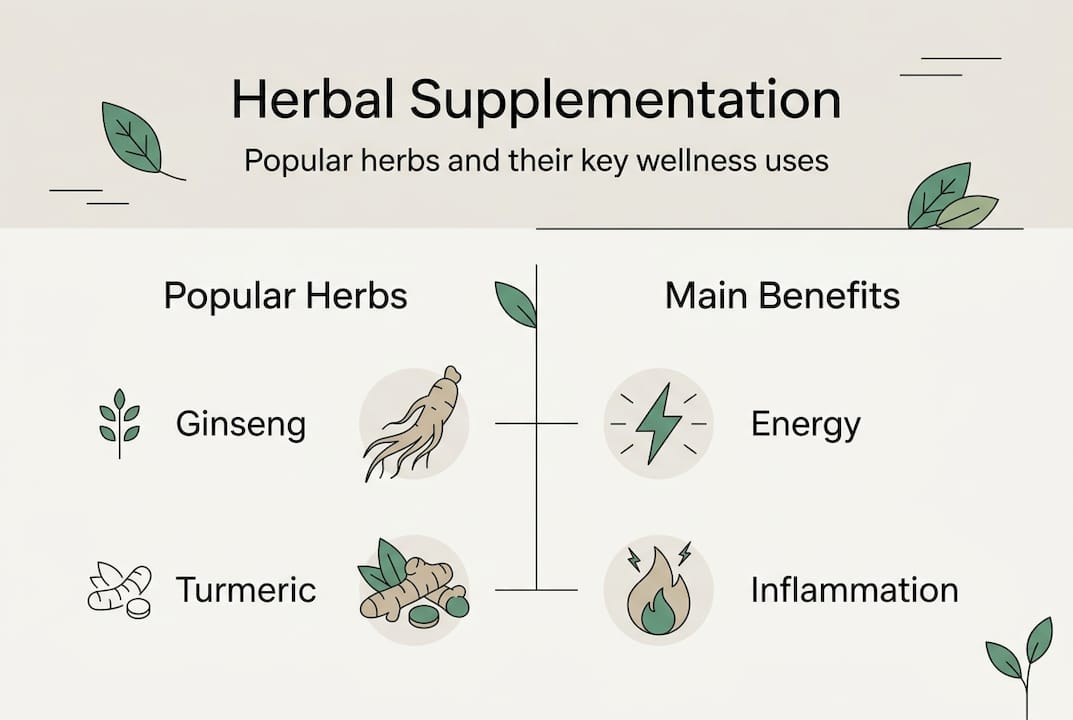
Typical herbal supplements include ginseng for energy and performance, turmeric for inflammation, green tea extract for metabolism, and ashwagandha for stress management. Each contains unique bioactive compounds responsible for their effects. Understanding these compounds and how they work in your body is essential for making informed choices about which supplements align with your wellness goals.
Pro Tip: Always check if a supplement lists standardized percentages of active compounds on the label. Products like Erisil Plus that specify their active ingredient content are more likely to deliver consistent results than generic herbal blends with unknown potency.
How herbal supplements work: active compounds and bodily effects
Herbal supplements exert their effects through bioactive compounds that interact with your body at the molecular level. These compounds don’t work in isolation. Your gut microbiota plays a crucial role in transforming these plant molecules into more bioavailable forms your body can use effectively. Ginsenosides in ginseng are biotransformed by gut bacteria to enhance their anti-inflammatory and performance-enhancing properties, demonstrating how your internal ecosystem amplifies herbal supplement effects.
The mechanisms behind herbal supplement benefits involve several pathways:
-
Modulation of inflammatory signaling through TLR4/NF-κB pathway inhibition
-
Enhancement of gut barrier integrity by supporting tight junction proteins
-
Antioxidant activity neutralizing free radicals from exercise and metabolism
-
Metabolic regulation affecting fat oxidation and glucose metabolism
-
Hormonal balance through phytoestrogens and adaptogenic compounds
These bioactive compounds can reduce systemic inflammation, a key factor in both chronic disease and exercise recovery. When you take herbal supplements, the active molecules are absorbed through your digestive tract, metabolized by your liver and gut bacteria, then distributed throughout your body where they bind to specific receptors or influence cellular processes. This explains why exercise and supplement synergy can produce enhanced results compared to either intervention alone.

The transformation process matters significantly. Raw herbal compounds often have poor bioavailability, meaning your body can’t absorb or use them efficiently. Your gut microbiota converts these compounds into metabolites with improved absorption and biological activity. This biotransformation explains why two people taking the same supplement might experience different results based on their unique gut bacteria composition.
Pro Tip: Products like Bulk Extreme that include bioavailability enhancers or use standardized extracts can bypass some of the variability in gut metabolism, providing more consistent effects across different users.
Evidence-based benefits of herbal supplements for performance and weight loss
Research demonstrates specific herbal supplements deliver measurable improvements in athletic performance and body composition. Ginseng supplementation increases exercise endurance, VO2 max, and reduces fatigue markers in controlled studies. Athletes taking ginseng showed improved time to exhaustion and lower lactate accumulation during intense exercise, suggesting enhanced energy metabolism and recovery capacity.
Berberine reduces body weight, BMI, and waist circumference according to meta-analyses examining multiple clinical trials. The compound works by activating AMPK, an enzyme that regulates metabolism and promotes metabolic while improving insulin sensitivity. Participants in these studies experienced an average reduction of 2-3 kg in body weight over 8-12 weeks when combined with standard diet and exercise protocols.
Black ginger extract reduces body fat, BMI, and visceral fat in randomized controlled trials. This herb contains polymethoxyflavones that enhance thermogenesis and fat oxidation. Study participants showed significant decreases in abdominal fat accumulation, a particularly stubborn fat depot associated with metabolic health risks.
Herbal Supplement Primary Benefit Study Type Measured Effect
Ginseng Exercise endurance Meta-analysis Increased VO2 max, reduced fatigue markers
Berberine Weight loss Meta-analysis 2-3 kg reduction, lower BMI and waist circumference
Black ginger Body fat reduction RCTs Decreased body fat mass and visceral fat
Green tea extract Metabolism boost Multiple RCTs Enhanced fat oxidation during exercise
These benefits aren’t magic solutions. The studies showing positive results involved participants who maintained consistent exercise routines and reasonable caloric intake. Products like Fat Burn Active combine multiple evidence-backed herbs to target different metabolic pathways simultaneously, potentially creating additive effects.
Beyond performance and weight management, certain herbal supplements support immune function and recovery. Adaptogenic herbs help your body manage stress responses that can interfere with training adaptations and body composition goals. Some herbal supplements like Fibre Select work indirectly by improving gut health, which influences nutrient absorption, inflammation levels, and metabolic efficiency.
Pro Tip: Combine herbal supplementation with proper nutrition and progressive training for optimal results. Supplements enhance your efforts but can’t compensate for poor diet or inconsistent exercise habits. Track your progress with objective measures like body composition scans and performance metrics rather than relying solely on subjective feelings.
Safety considerations: risks, interactions, and quality control
Herbal supplements aren’t risk-free despite their natural origins. Some herbs cause liver injury, especially when contaminated with heavy metals, pesticides, or undeclared pharmaceutical ingredients. Risks increase significantly in pregnant women, children, and individuals with existing liver disease who have reduced capacity to metabolize potentially toxic compounds.
Drug interactions represent another serious concern. St. John’s wort and ginseng interact with medications, altering how your body processes prescription drugs. St. John’s wort induces liver enzymes that accelerate medication breakdown, potentially reducing effectiveness of birth control pills, antidepressants, and blood thinners. Ginseng can interfere with blood pressure medications and anticoagulants, creating dangerous fluctuations in cardiovascular function.
Populations at higher risk include:
-
Pregnant and breastfeeding women due to unknown fetal effects
-
Children with developing metabolic systems
-
People with liver or kidney disease
-
Individuals taking multiple medications
-
Those scheduled for surgery due to bleeding risks
Quality control issues plague the herbal supplement industry. Independent testing frequently reveals products containing different herb species than labeled, contamination with toxic substances, or active ingredient levels far below claimed amounts. Some supplements contain synthetic drugs added to boost apparent effectiveness, creating serious health hazards when consumers unknowingly take pharmaceutical compounds.
Safety checklist for consumers:
-
Verify third-party testing certifications from USP, NSF, or ConsumerLab
-
Research manufacturer reputation and quality control practices
-
Start with lower doses to assess individual tolerance
-
Monitor for adverse effects like digestive issues, headaches, or allergic reactions
-
Inform all healthcare providers about supplement use
-
Avoid combining multiple herbal products without professional guidance
Products featured on platforms emphasizing immune support safety typically undergo more rigorous screening. Reviews like the Erisil Plus safety analysis examine testing certificates and manufacturing standards to help you identify trustworthy options.
Pro Tip: Always choose third-party tested products and consult your healthcare provider before starting any herbal supplement, especially if you take prescription medications or have existing health conditions. The potential for serious interactions outweighs any perceived benefits of going it alone.
Practical tips for incorporating herbal supplements into your wellness routine
Successfully integrating herbal supplements requires a systematic approach that prioritizes safety and effectiveness. Follow this step-by-step protocol:
-
Identify your specific health goals and research which herbs have evidence supporting those outcomes.
-
Consult a healthcare professional or qualified nutritionist to discuss potential interactions with your medications and health conditions.
-
Select products from manufacturers that provide third-party testing certificates and clearly list active compound standardization.
-
Start with the lowest effective dose and gradually increase only if needed and tolerated.
-
Track your response using objective measures like performance metrics, body composition, or relevant biomarkers.
-
Monitor for any adverse effects including digestive disturbances, sleep changes, or mood alterations.
-
Reassess your supplement protocol every 8-12 weeks to determine if benefits justify continued use.
Choose reputable brands that invest in quality control and transparency. Products like Nutrigo Lab Strength from established manufacturers typically offer more consistent results than generic options from unknown sources. Check for clear labeling that includes botanical names, part of plant used, extraction methods, and standardized active ingredient percentages.
Timing matters for optimal absorption and effects. Fat-soluble herbal compounds absorb better with meals containing healthy fats, while others work best on an empty stomach. Fat Burn Active benefits maximize when taken before exercise to enhance thermogenesis during training sessions.
Combine supplements with foundational health practices. No herbal product can compensate for inadequate sleep, chronic stress, poor nutrition, or sedentary behavior. View supplements as tools that enhance an already solid wellness foundation rather than shortcuts to bypass healthy lifestyle habits.
Experts recommend short-term use for minor health issues and professional consultation due to variability in product quality and potential interactions. Cycling supplements with periods of discontinuation can prevent tolerance development and allow you to assess whether benefits persist or return when you resume use.
Document your supplement regimen including specific products, doses, timing, and any changes you make. This record becomes invaluable if you experience adverse effects or need to communicate your supplement use to healthcare providers. It also helps identify which products actually contribute to your goals versus those providing no noticeable benefit.
Explore top herbal supplements and expert reviews at RankOfSupplements
Navigating the crowded supplement market becomes simpler when you access expert reviews and evidence-based rankings. RankOfSupplements provides comprehensive analyses of herbal supplements designed to support your strength, weight management, and immunity goals. Each review examines ingredient quality, dosing accuracy, third-party testing, and real-world effectiveness to help you make informed decisions.
Discover detailed evaluations of products like Nutrigo Lab Strength for performance enhancement, Fat Burn Active for metabolic support, and targeted immune support supplements backed by scientific research. The platform cuts through marketing hype to deliver transparent assessments based on ingredient science, manufacturing quality, and user outcomes. Visit RankOfSupplements to find trusted herbal supplements that align with your specific wellness objectives and meet rigorous quality standards.
FAQ
Are herbal supplements safe to take long term?
Experts advise short-term use and professional consultation due to variable safety profiles across different herbs and products. Long-term safety depends on the specific supplement, dosage, individual health status, and potential cumulative effects. Some herbs are well-tolerated for extended periods, while others may cause organ stress or nutrient imbalances with prolonged use. Regular monitoring by a healthcare provider helps identify any emerging issues before they become serious problems.
How can I avoid harmful contaminants in herbal supplements?
Third-party testing and reputable brands reduce risks from contaminants like heavy metals, pesticides, and microbial toxins. Look for certifications from USP, NSF International, or ConsumerLab on product labels, which verify that supplements contain what they claim without dangerous adulterants. Purchase from manufacturers that publish certificates of analysis and follow Good Manufacturing Practices. Avoid unusually cheap products or those making exaggerated health claims, as these often indicate poor quality control.
Can herbal supplements interfere with prescription medications?
Yes, herbs like St. John’s wort induce liver enzymes affecting medication levels, while ginseng can interact with blood pressure drugs and anticoagulants. These interactions may reduce medication effectiveness or increase side effect risks. Some herbs alter how your body absorbs, metabolizes, or eliminates pharmaceutical drugs, creating unpredictable blood levels. Always inform your doctor and pharmacist about all supplements you take, especially before starting new medications or undergoing surgery.
What are the best herbal supplements for fitness and weight loss?
Ginseng supports endurance and recovery through improved oxygen utilization and reduced fatigue markers. Berberine aids weight loss by activating metabolic pathways that enhance metabolic and insulin sensitivity. Black ginger reduces body fat and visceral adipose tissue through increased thermogenesis. Products like Nutrigo Lab Strength and Fat Burn Active combine multiple evidence-backed herbs to target different aspects of performance and body composition simultaneously.