
TL;DR:
- An effective weight loss supplement protocol involves evidence-based doses, proper timing, and individual customization to achieve safe fat reduction.
- Most protocols fail due to poor execution, such as megadosing or neglecting lab work, rather than product quality.
A supplement dosage workflow for weight loss is a structured plan that assigns specific doses, timing, and sequencing to each supplement you take to enhance fat loss safely. Done correctly, it uses evidence-based doses of green tea extract, berberine, psyllium fiber, and protein to produce measurable results without guesswork or wasted money. The industry term for this approach is a “supplementation protocol,” and you will see both terms used interchangeably throughout this guide. Research shows that green tea extract at 270 to 800 mg catechins/day and berberine at 1,000 to 1,500 mg/day produce 0.8 to 2.1 kg of additional weight loss over placebo after 12 weeks. Getting the doses and timing right is what separates a protocol that works from a shelf full of bottles that do nothing.
What is the optimal supplement dosage workflow for weight loss?
The most effective supplementation protocol for weight loss starts with selecting supplements that have clinical evidence behind them, then assigning doses, timing, and food pairings to each one. Without that structure, even well-chosen supplements underperform because absorption varies widely depending on when and how you take them.
The table below summarizes the core supplements, their evidence-based doses, best timing, and key precautions.
| Supplement | Daily Dose | Best Timing | Key Benefit | Precaution |
|---|---|---|---|---|
| Green tea extract | 270 to 800 mg catechins | Morning, with food | Fat oxidation, metabolism | Do not exceed 800 mg EGCG/day |
| Berberine | 1,000 to 1,500 mg | Split: before meals | Blood sugar, fat loss | Space from other medications |
| Psyllium husk (fiber) | 5 to 15 g | 30 min before meals | Satiety, appetite control | Avoid on GLP-1 if gastroparesis risk |
| Protein (isolate) | 1.2 to 1.6 g/kg body weight | Morning and post-workout | Muscle preservation | Choose isolate for less GI distress |
| Magnesium glycinate | 200 to 400 mg | Evening | Sleep, cramp reduction | Prefer glycinate over oxide form |
| Biotin | 2,500 to 5,000 mcg | Morning, with food | Hair and nail health | Generally well tolerated |
| Vitamin D3 | Per lab results | With a fat-containing meal | Metabolic support | Absorption increases up to 50% with fat |
Fiber supplements like psyllium husk at 5 to 15 g/day show weight loss benefits in the 1.5 to 2.1 kg range over 12 to 20 weeks. That modest number matters because it reflects real-world, sustainable fat loss rather than water weight fluctuation.
Timing is not arbitrary. Fat-soluble vitamins, including D3 and omega-3s, require a fat-containing meal for proper absorption. Mineral supplements like iron and magnesium compete for the same absorption pathways, so spacing them at least two hours apart prevents one from blocking the other.
Pro Tip: Take berberine in two or three divided doses before meals rather than one large dose. This keeps blood glucose levels steadier throughout the day and reduces the GI discomfort that a single large dose can cause.
For a deeper look at how timing affects each supplement category, the supplement timing science guide from Rankofsupplements covers absorption windows in detail.
How do you customize your dosage protocol based on individual factors?
No two people have the same starting point, and a one-size-fits-all protocol fails most people within weeks. The biggest variable right now is whether you are using a GLP-1 receptor agonist like semaglutide or tirzepatide for weight loss.

A retrospective study of 461,382 GLP-1 users found that 22.4% developed nutritional deficiency within 12 months, with vitamin D deficiency at 13.6% and iron deficiency anemia at 3.2%. That is not a minor side effect. It means GLP-1 users need a proactive supplement plan from day one, not after deficiencies appear.
Supplement priorities for GLP-1 medication users
People on GLP-1 medications face a specific risk: lean muscle loss can account for 25 to 40% of total weight lost without adequate protein intake. The following adjustments address that directly.
- Protein intake: Target 1.2 to 1.6 g/kg of body weight per day. Choose protein isolate over concentrate because isolate absorbs faster and causes less GI distress, which matters when nausea is already a side effect.
- Timing protein early: GLP-1 drugs suppress appetite most strongly later in the day. Take your protein shake in the morning before appetite suppression peaks to hit your daily target.
- Magnesium glycinate at 200 to 400 mg/day: Start this on day one of your medication. It addresses sleep disruption and muscle cramps, two of the most common early complaints.
- Biotin at 2,500 to 5,000 mcg/day: Hair thinning is a documented side effect of rapid weight loss. Biotin and zinc at 15 to 30 mg/day support hair health during a caloric deficit.
- Comprehensive multivitamin: Choose one with methylated B vitamins and chelated minerals to close the nutrient gaps that GLP-1-driven appetite suppression creates.
- Fiber caution: Psyllium husk is effective for satiety in most people, but fiber supplements require caution for GLP-1 users with gastroparesis risk because slowed gastric emptying can worsen with added bulk.
For people not on GLP-1 medications, the customization factors shift toward activity level, dietary gaps, and weight loss phase. Someone in an aggressive caloric deficit needs more protein and micronutrient support than someone in a mild deficit. Someone doing resistance training three times a week benefits from creatine monohydrate at 3 to 5 g/day to preserve muscle strength during fat loss.
Pro Tip: If you are on a GLP-1 medication, review your supplement plan with your prescribing provider every 8 to 12 weeks. Medication doses often increase over time, which changes your appetite suppression level and your ability to hit protein and micronutrient targets through food alone.
The GLP-1 vs. diet and exercise comparison from Bright Medical Wellness provides useful context on how supplementation fits alongside medication and lifestyle changes.
A personalized supplement selection approach from Rankofsupplements can help you map your individual needs before committing to a full protocol.
What are the most common mistakes in supplement dosage for weight loss?
Most supplement protocols fail not because the products are wrong but because the execution is. The errors below account for the majority of poor results and adverse effects.
-
Megadosing for faster results. High doses of green tea extract above 800 mg EGCG/day carry rare but real hepatotoxicity risks. More is not better with thermogenic supplements. The clinical dose range exists for a reason.
-
Taking calcium and iron at the same time. Calcium reduces iron absorption by 50 to 70%. Taking both supplements together effectively cancels out your iron dose. Space them by at least two hours, and pair iron with vitamin C to enhance absorption by 2 to 3 times.
-
Treating supplements as a substitute for diet and exercise. Consumers frequently treat supplements as replacements for lifestyle changes. Experts are consistent on this point: no supplement produces meaningful fat loss without a caloric deficit and adequate physical activity behind it.
-
Skipping lab work before high-dose protocols. Starting a high-dose iron or green tea extract regimen without a baseline blood panel is a clinical risk. Laboratory testing before high-dose protocols is critical to prevent toxicity, particularly for iron and fat-soluble vitamins that accumulate in tissue.
-
Choosing products without third-party testing. The supplement industry is not regulated the same way pharmaceuticals are. Products without a USP, NSF International, or Informed Sport certification may not contain what the label claims. Verifying supplement quality before purchase is a non-negotiable step.
“Disclosing supplement use to healthcare providers is critical to avoid pharmacokinetic interactions and adverse effects, especially for people on weight loss medications. A supplement that seems harmless on its own can alter drug metabolism in ways that reduce medication efficacy or increase side effect risk.”
The common supplement mistakes guide from Rankofsupplements covers additional pitfalls that apply specifically to weight loss protocols.
How do you build a practical supplement dosage plan step by step?
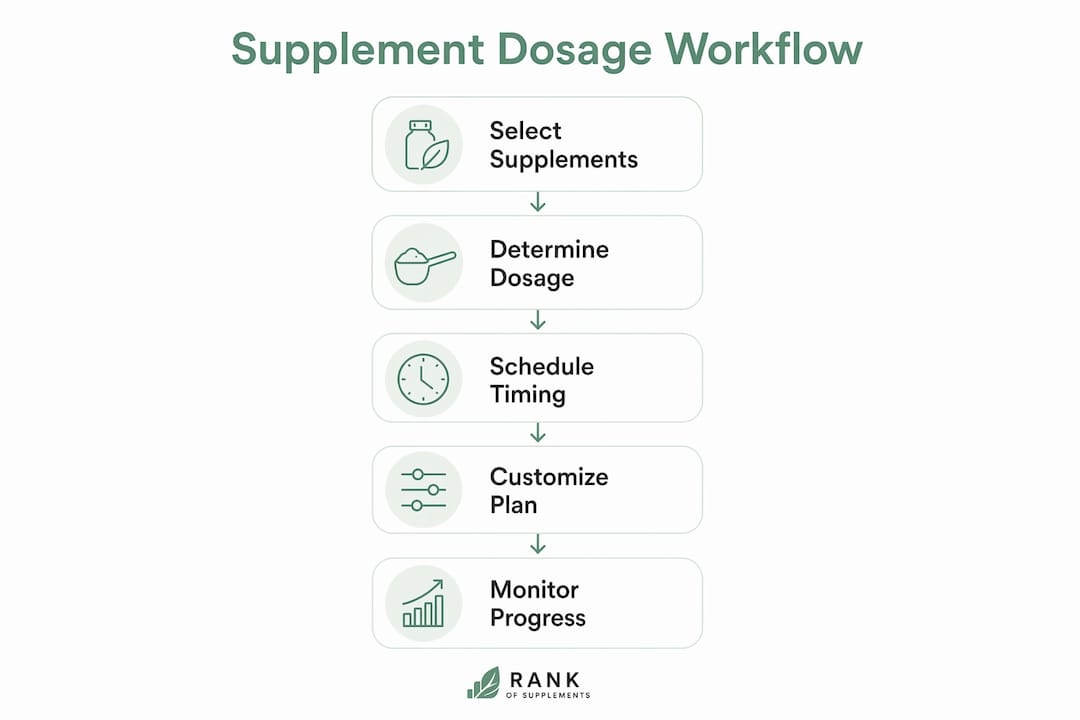
A working supplementation protocol follows a clear sequence. Skipping steps, particularly the assessment phase, is the most common reason people end up taking the wrong supplements at the wrong doses.
-
Assess your baseline. Get a blood panel that includes vitamin D, iron, ferritin, B12, and a metabolic panel. This tells you which deficiencies to address first and which supplements you do not need.
-
Choose supplements with evidence. Prioritize green tea extract, berberine, psyllium fiber, and protein based on your goals. Add magnesium glycinate and biotin if you are in a significant caloric deficit or on a GLP-1 medication.
-
Assign doses from the clinical range. Start at the lower end of each dose range for the first two weeks. This improves tolerance and lets you identify any adverse reactions before committing to a full dose.
-
Schedule timing around meals and other supplements. Take fat-soluble vitamins with your largest meal of the day. Take berberine before meals. Take magnesium glycinate in the evening. Space iron and calcium by at least two hours. Consistent timing matters more than perfect timing.
-
Track your results every four weeks. Log body weight, energy levels, sleep quality, and any GI symptoms. Adjust doses upward only if you are tolerating the current dose well and not seeing expected results after four weeks.
-
Retest labs every three to six months. Blood work confirms whether your protocol is closing nutritional gaps or creating new ones. Adjust based on data, not guesswork.
The table below summarizes a practical morning and evening schedule for a standard fat loss protocol.
| Time | Supplement | Dose | Notes |
|---|---|---|---|
| Morning with breakfast | Green tea extract | 400 mg catechins | Take with food to reduce nausea |
| Morning with breakfast | Vitamin D3 | Per lab results | Take with fat-containing meal |
| Morning with breakfast | Biotin | 2,500 to 5,000 mcg | Consistent daily timing |
| Before lunch | Berberine | 500 mg | Before meals for blood sugar support |
| Before dinner | Berberine | 500 mg | Second dose of the day |
| With dinner | Iron + Vitamin C | Per lab results | Pair together; separate from calcium |
| Evening | Magnesium glycinate | 200 to 400 mg | Supports sleep and muscle recovery |
Pro Tip: Use a weekly pill organizer with AM and PM compartments. It takes two minutes to set up on Sunday and eliminates the daily decision fatigue that causes people to skip doses mid-week.
For people new to supplementation, the beginner’s guide to weight loss supplements from Rankofsupplements provides a clear starting framework before building out a full protocol.
Key Takeaways
A structured supplement dosage workflow for weight loss requires evidence-based doses, strategic timing, individual customization, and consistent execution to produce safe and measurable fat loss results.
| Point | Details |
|---|---|
| Start with lab work | Blood panels identify real deficiencies and prevent unnecessary or harmful supplementation. |
| Use clinical dose ranges | Green tea extract, berberine, and fiber each have specific dose ranges proven in trials. |
| Customize for GLP-1 use | GLP-1 users need protein at 1.2 to 1.6 g/kg/day and magnesium glycinate from day one. |
| Space competing minerals | Iron and calcium block each other; separate them by at least two hours. |
| Consistency beats perfect timing | Regular intake at sub-optimal times outperforms sporadic dosing at the ideal moment. |
What I have learned from watching people build supplement protocols
The most consistent mistake I see is treating the supplement protocol as the plan rather than as support for the plan. People spend hours researching the best berberine brand and zero hours fixing their sleep or protein intake. Supplements amplify what you are already doing. They do not replace it.
The second thing I have noticed is that people abandon protocols too early. Four weeks is not enough time to evaluate most supplements. Green tea extract and berberine need 8 to 12 weeks at consistent doses before you can draw any real conclusions. Impatience leads to protocol hopping, which means you never actually give anything a fair test.
The third insight is about the GLP-1 context specifically. The realistic expectations around GLP-1 weight loss are often mismanaged. People on these medications assume the drug handles everything. The data on nutritional deficiencies tells a different story. A proactive supplement plan is not optional for GLP-1 users. It is part of the treatment.
Finally, I want to be direct about personalization. A protocol built for a 200-pound man doing resistance training three times a week looks nothing like one built for a 140-pound woman on semaglutide. The evidence base gives you dose ranges. Your individual biology, medications, and goals determine where within those ranges you actually land. Work with a healthcare provider who understands supplementation. The interaction risks are real, and the upside of getting it right is significant.
matteo
What Rankofsupplements offers for your weight loss supplement research
Choosing the right supplements for fat loss requires more than a list of ingredients. You need to know whether the evidence behind each ingredient is strong, moderate, or weak, and whether the product you are buying actually delivers what the label claims.
Rankofsupplements maintains a detailed supplement ingredient library that breaks down the clinical evidence for each compound, including dose ranges, mechanisms, and safety data. For weight management specifically, the evidence-based weight management guide covers the top-ranked supplements with up-to-date 2026 research. Both resources are free and built for people who want facts, not marketing copy.
FAQ
What is the best daily dose of berberine for weight loss?
The clinically supported dose of berberine for weight loss is 1,000 to 1,500 mg/day, split into two or three doses taken before meals. This range produces measurable effects on blood glucose and body weight over 12 weeks.
How does protein intake support a weight loss supplement protocol?
Protein at 1.2 to 1.6 g/kg of body weight per day preserves lean muscle during a caloric deficit. This is especially critical for people on GLP-1 medications, where lean mass can account for 25 to 40% of total weight lost without adequate protein.
Can you take green tea extract and berberine together?
Yes, green tea extract and berberine target different metabolic pathways and are generally safe to combine at clinical doses. Keep green tea extract below 800 mg EGCG/day to avoid hepatotoxicity risk.
Why does supplement timing matter for fat loss?
Timing affects absorption rates. Fat-soluble vitamins need dietary fat to absorb properly, and minerals like iron and calcium compete for the same pathways. Spacing competing minerals by two hours and pairing fat-soluble vitamins with meals prevents absorption interference.
Should you take supplements before or after starting a GLP-1 medication?
Start core supplements, particularly protein, magnesium glycinate, and biotin, on day one of GLP-1 medication. Waiting until deficiencies appear means weeks of suboptimal nutrition during the period when your body is changing most rapidly.
Recommended
- Related article: Why micronutrients matter for weight loss
- Top list: Best supplements for weight management
- Product review: Fat Burn Active review
- Guide: Supplement buying guide 2026