
The supplement aisle, whether physical or digital, is a minefield of bold claims, flashy labels, and promises that rarely match reality. With thousands of products competing for your attention, it’s genuinely hard to separate what works from what’s just clever marketing. Most weight-loss supplements lack solid scientific backing, yet they dominate store shelves. This guide cuts through the noise with evidence-based tips to help you choose supplements that are actually safe and effective for your goals, whether that’s losing fat, building muscle, or simply staying healthy.
Table of Contents
-
Fat burners and weight-loss supplements: Proceed with caution
-
Multivitamins and specialty supplements: When are they truly needed?
-
Personalizing your supplement stack: When and who benefits most
Key Takeaways
Point Details
Prioritize evidence-based supplements Choose supplements supported by strong scientific research over hype or marketing.
Assess your real nutrition gaps Only use supplements if you can’t meet needs through whole foods or lifestyle changes.
Personalize based on your needs Supplements are most useful for older adults, vegans, or those with high fitness demands.
Beware of weight-loss pills Most fat burners are unproven, and some can be dangerous, focus on diet and exercise instead.
Consult a healthcare provider Always get medical advice before adding supplements, especially with underlying conditions.
How to evaluate supplements: What matters most
Before you spend a dollar on any supplement, you need a framework for judging it. Marketing is designed to make everything sound essential. Science tells a very different story.
Here’s what to check before buying any supplement:
-
Scientific evidence: Look for human clinical trials, not just animal studies or testimonials. Peer-reviewed research matters.
-
Ingredient transparency: Full label disclosure means you know exactly what you’re getting and at what dose. Proprietary blends hide this.
-
Third-party testing: Certifications from NSF, USP, or Informed Sport confirm that what’s on the label is actually in the bottle. Supplement purity is non-negotiable for safety.
-
Realistic expectations: No supplement replaces a solid diet and consistent training. Think of them as additions, not foundations.
-
Safety and interactions: Some supplements interact with medications or are inappropriate for certain ages or health conditions.
The NIH confirms that most weight-loss supplements lack scientific evidence and may pose real safety risks. That’s not a fringe opinion. It’s the consensus from the world’s leading health authorities.
Pro Tip: Use a dietary supplement selection guide as a checklist before purchasing. If a product fails two or more criteria, skip it.
Also consider your actual needs. More supplements don’t mean better results. Stacking products you don’t need wastes money and increases your risk of side effects. Pair your supplement choices with smart exercise supplement strategies for the best outcomes.
Protein powders: Reliable muscle and recovery support
Protein is the most widely used supplement category for good reason. It works, when you actually need it.
Building muscle requires 1.6 to 2.4 grams of protein per kilogram of bodyweight per day. For a 180-pound person, that’s roughly 130 to 195 grams daily. Hitting that through whole foods alone is possible but not always practical.
Here’s how to choose the right protein powder:
-
Whey protein: Fast-digesting, high in leucine, and ideal post-workout. Best for non-vegans.
-
Pea protein: A top plant-based option with a solid amino acid profile. Mixes well and is easy on digestion.
-
Soy protein: Complete protein source for vegans, though some people prefer to rotate sources.
-
Blended formulas: Combine fast and slow proteins for sustained release, useful before bed.
Check out the types of protein supplements available to match your diet and training style. If you’re focused on mass gain, a product like the one covered in our Mass Extreme review may be worth exploring.
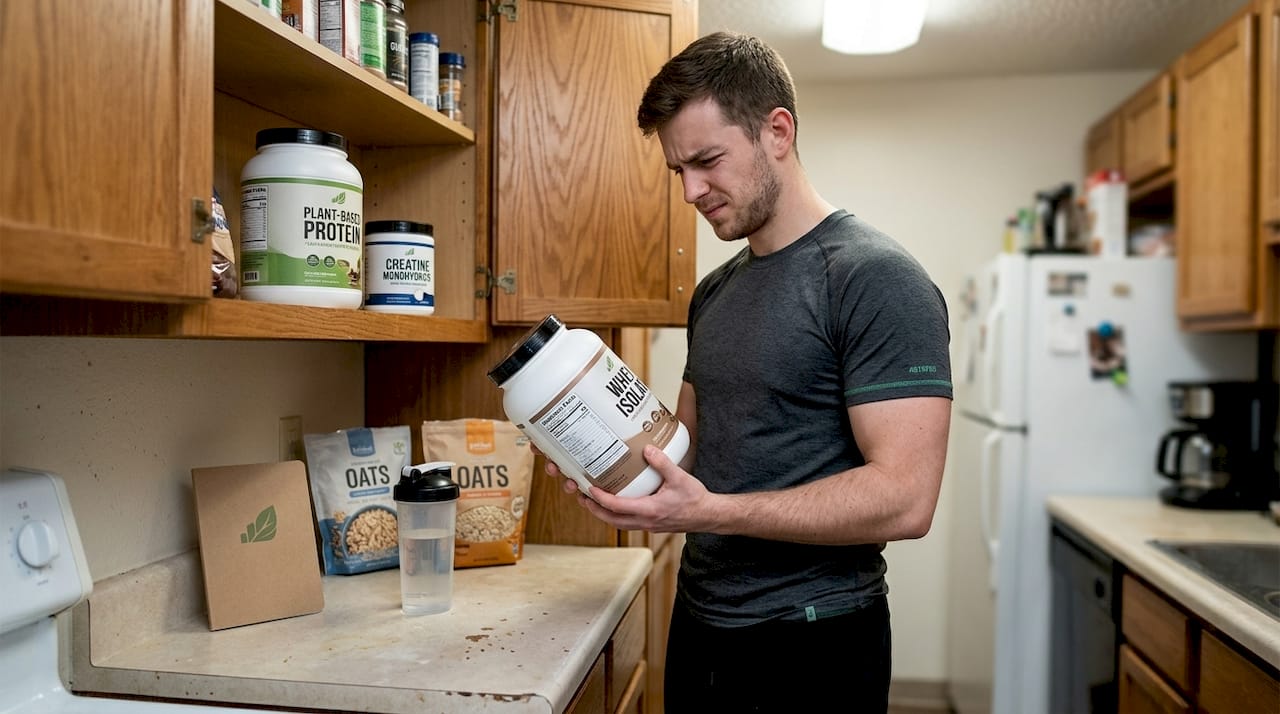
Pro Tip: Don’t chase the highest protein count per serving. Look at the full amino acid profile, especially leucine content, which is the key trigger for muscle protein synthesis.
One caution: excessive protein intake over long periods can cause digestive discomfort and, in rare cases with pre-existing kidney conditions, added strain. Stick within evidence-based ranges.
Creatine: Backed by science for strength and size
Creatine monohydrate is arguably the most researched performance supplement in existence. The evidence is not subtle.
Taking 3 to 5 grams daily improves muscle strength, increases lean mass, and enhances performance in resistance training. It works by replenishing ATP (your muscles’ primary energy currency) faster during high-intensity efforts.
Key facts about creatine:
-
Dosage: 3 to 5 grams per day. No loading phase required, though it speeds up saturation.
-
Safety: Decades of research confirm it’s safe for healthy adults. No credible evidence links it to kidney damage in healthy people.
-
Water retention myth: Creatine draws water into muscle cells, which is actually beneficial for performance and muscle volume.
-
Timing: Post-workout with carbs and protein may slightly improve uptake, but consistency matters more than timing.
“Creatine monohydrate remains one of the few supplements with consistent, replicated evidence for both strength and muscle mass gains in healthy adults.”, NCCIH
For a product built around creatine and complementary ingredients, our Bulk Extreme review breaks down what’s inside and whether it delivers.
Pro Tip: Generic creatine monohydrate from a reputable brand is just as effective as premium-branded versions. Save your money for quality food.
Fat burners and weight-loss supplements: Proceed with caution
This is where the supplement industry gets dangerous. Fat burners are among the most aggressively marketed products, and among the least supported by evidence.
The reality is blunt: most weight-loss supplements don’t outperform placebos in controlled trials. Some contain stimulants that raise heart rate and blood pressure. Others interact with common medications.
What you need to know before trying any fat-loss pill:
-
Stimulant risk: Many products contain high-dose caffeine, synephrine, or other compounds that stress the cardiovascular system.
-
Drug interactions: Some ingredients interfere with blood thinners, antidepressants, or thyroid medications.
-
Regulatory gaps: The FDA does not pre-approve supplements. Contaminated or mislabeled products reach shelves regularly.
-
What actually works: A consistent calorie deficit, whole food nutrition, and regular exercise. These are not exciting, but they are proven.
“No supplement has been shown to produce meaningful, sustained fat loss without accompanying diet and exercise changes.”, NIH Office of Dietary Supplements
Before trying any fat-loss product, review evidence-based supplement guidance and talk to your doctor. Our fat-burn supplement analysis covers what ingredients have any real support and which are pure hype.
Performance enhancers: Caffeine, pre-workouts, and omega-3s
Not all performance supplements are created equal. A few have genuine evidence behind them.
Caffeine is the standout. At 200 to 400 mg pre-workout, it reliably improves endurance, power output, and focus. It’s cheap, well-studied, and effective. The downside: taking it too late in the day wrecks sleep, which undermines recovery.
Omega-3 fatty acids show some evidence for reducing exercise-induced inflammation and supporting joint health. The data for direct muscle hypertrophy is mixed, so don’t expect size gains from fish oil alone.
Pre-workout blends typically combine caffeine with beta-alanine, citrulline, and other compounds. They can work, but the doses vary wildly. Always read the label and check total caffeine content before stacking with coffee.
Key takeaways for performance supplements:
-
Caffeine is the most reliable legal performance booster available.
-
Omega-3s support recovery and inflammation, not muscle growth directly.
-
Pre-workouts are convenient but often overpriced for what they deliver.
-
Avoid products with undisclosed proprietary blends.
For a deeper look at how these fit into a training plan, our guide on supplement and exercise synergy is worth your time.
Multivitamins and specialty supplements: When are they truly needed?
Multivitamins are the most commonly taken supplement globally, yet the evidence for their universal use is surprisingly thin.
Multivitamins fill dietary gaps for people with restrictive diets, older adults, or those with diagnosed deficiencies. But for well-nourished healthy adults, they haven’t been studied for its ability to prevent disease or extend life.
Who actually benefits from specific vitamins:
-
Vitamin D: 800 to 2000 IU daily is recommended for older adults, people with limited sun exposure, and those with confirmed deficiency.
-
Vitamin B12: Critical for vegans and older adults, as absorption declines with age and is absent from plant foods.
-
Iron: Only supplement if deficient. Excess iron is harmful and unnecessary for most men and post-menopausal women.
-
Fat-soluble vitamins (A, D, E, K): These accumulate in body tissue. Over-supplementing can cause toxicity over time.
Pro Tip: Get bloodwork done before starting any vitamin regimen. Supplementing without knowing your baseline is guesswork, and some deficiencies require medical-grade doses, not over-the-counter products.
For targeted support, explore our immune-support options and check out this resource on vitamin D and aging for context on long-term use.
Summary comparison: Which supplements work and when?
To tie everything together, the table below helps compare the effectiveness and risks of the most-discussed supplements. As authoritative sources like NIH and Harvard consistently note, protein and creatine have strong evidence, while fat-loss supplements have almost none.
Supplement Best for Evidence level Key caution
Whey/plant protein Muscle building, recovery Strong Excess may stress kidneys
Creatine monohydrate Strength, power, size Very strong None for healthy adults
Caffeine Endurance, focus Strong Avoid late-day use
Omega-3s Inflammation, joint health Moderate High doses may thin blood
Multivitamins Dietary gaps Moderate (specific groups) Fat-soluble toxicity risk
Vitamin D Bone health, immunity Strong (deficient groups) Toxicity at very high doses
Fat burners Weight loss Weak to none Stimulant and drug interactions
Personalizing your supplement stack: When and who benefits most
Every body is different. The right supplement stack for a 25-year-old male powerlifter looks nothing like the right stack for a 60-year-old vegan woman. Context matters enormously.
Supplements are most beneficial for vegans, older adults, and people under heavy training loads. Everyone else should start with food first.
Here’s a quick reference by lifestyle:
Profile Priority supplements Why
Vegan/plant-based B12, vitamin D, creatine Absent or low in plant foods
Older adults (65+) Protein, vitamin D, B12 Absorption declines with age
Heavy training (5+ days/week) Protein, creatine, caffeine Higher demand, harder to meet through food
General healthy adult Vitamin D (if deficient) Most needs met through diet
Additional principles to follow:
-
Only add a supplement if you have a clear, identified reason for it.
-
Avoid mega-dosing. More is not better and can be actively harmful.
-
Reassess your stack every few months as your goals and diet change.
-
Use resources like identifying supplement needs to stay grounded in evidence.
For plant-based athletes specifically, our NuviaLab Immune review covers a product designed with broader nutritional support in mind.
Find trusted supplement reviews and rankings
Knowing the science is one thing. Finding products that actually deliver on their promises is another challenge entirely. That’s where expert, unbiased reviews make a real difference.
At RankOfSupplements.com, we analyze ingredients, dosages, and real-world results so you don’t have to guess. Whether you’re looking for trusted muscle supplement reviews or want to compare trusted fat-burner supplement reviews, our rankings are built on science, not sponsorships. From protein powders to creatine to specialty wellness products, we cover the full spectrum with transparency and detail. Use our buyer’s guides to shortlist the right products for your specific goals, budget, and dietary needs.
Frequently asked questions
What is the safest way to start taking nutritional supplements?
Start by identifying real nutrition gaps through diet tracking or bloodwork, prioritize whole foods first, and consult your healthcare provider before adding anything new, especially if you take medications.
Are there any supplements I should avoid?
Avoid anything promising rapid fat loss or dramatic muscle gains without clinical evidence. Most weight-loss supplements carry real safety risks and interact with common medications.
How do I know if I need a multivitamin?
If you follow a restrictive diet, are over 65, or have confirmed deficiencies, a multivitamin may help. For well-nourished healthy adults, the evidence for routine use is weak.
What supplements are best for vegans?
Vegans consistently benefit from B12, vitamin D, and often creatine, since these are absent or low in plant foods. Protein powder can also help if total intake falls short.
Do I need pre-workout supplements for better gym results?
Not necessarily. Caffeine at 200 to 400 mg pre-workout delivers most of the performance benefit on its own, at a fraction of the cost of branded pre-workout blends.