
You probably assume the supplements you take are pure and safe. Yet studies reveal that over 50% of supplements fail label claims, with many containing far less active ingredient than advertised or harboring dangerous contaminants. Understanding supplement purity is not just about getting what you pay for. It is about protecting your health, optimizing performance, and making informed choices in a market where quality varies wildly. This guide clarifies what supplement purity means, how it is verified, the risks of impure products, and how you can confidently choose supplements that deliver real results.
Table of Contents
-
How Third-Party Testing Ensures Supplement Purity And Safety
-
Risks Of Impure Supplements: Data, Contaminants, And Real-World Impact
-
How To Choose And Verify Supplement Purity For Your Health And Performance
Key takeaways
Point Details
Supplement purity definition Purity means the product contains exactly the ingredients listed at stated amounts without unwanted substances.
FDA regulatory framework Manufacturers must verify composition, strength, purity, and identity under 21 CFR Part 111 to ensure quality.
Third-party testing importance Independent labs provide unbiased verification of ingredients, potency, and screen for contaminants and banned substances.
Prevalence of impurity Many supplements, especially online, fail to meet label claims or contain heavy metals and other contaminants.
Consumer verification steps Check third-party certification seals, research manufacturers, and review lab test results before purchasing.
Defining supplement purity: what it really means
Supplement purity is a precise regulatory and scientific concept. At its core, purity means the supplement contains exactly the ingredients listed on the label, in the amounts claimed, free from unwanted substances like contaminants or adulterants. This is not a vague marketing promise. It is a legal requirement backed by strict standards.
The FDA’s 21 CFR Part 111 outlines manufacturers’ responsibilities to verify composition, strength, purity, and identity for every dietary supplement component. These regulations exist to protect consumers from ineffective or dangerous products. Manufacturers must establish specifications for components in five critical categories including purity, identity, composition, strength, and contamination.
Here is what each category means for your supplement quality:
-
Identity: Confirms the ingredient is truly what the label claims, not a cheap substitute or mislabeled substance.
-
Purity: Ensures the ingredient is free from impurities, contaminants, or adulterants that could harm you.
-
Strength: Verifies the ingredient concentration matches the label, so you get the intended dose.
-
Composition: Checks that all components are present in the correct proportions for the formula.
-
Contamination: Tests for heavy metals, microbes, pesticides, and other hazardous substances.
Identity testing is especially critical. Many manufacturers rely solely on supplier certificates of analysis (COAs), which may be outdated or fabricated. True compliance means conducting independent identity tests on every batch of dietary ingredients before manufacturing begins. Vague descriptions like “botanical extract” do not meet regulatory standards. You need specific identification methods like HPLC or mass spectrometry to confirm what you are really getting.
Pro Tip: When evaluating supplements, look for brands that publicly share third-party test results for each batch. This transparency signals a commitment to genuine purity beyond minimum regulatory compliance.
How third-party testing ensures supplement purity and safety
Third-party testing replaces blind trust with scientific proof. While manufacturers are legally required to test their products, independent labs with no financial ties to the brand provide unbiased verification. This impartiality is crucial because it removes conflicts of interest that could compromise test integrity.
Third-party labs verify ingredients, potency, and check for banned substances through rigorous analytical methods. These tests go beyond what manufacturers might conduct internally, screening for a comprehensive range of potential issues that could compromise your health or athletic eligibility.
Here is what comprehensive third-party testing covers:
-
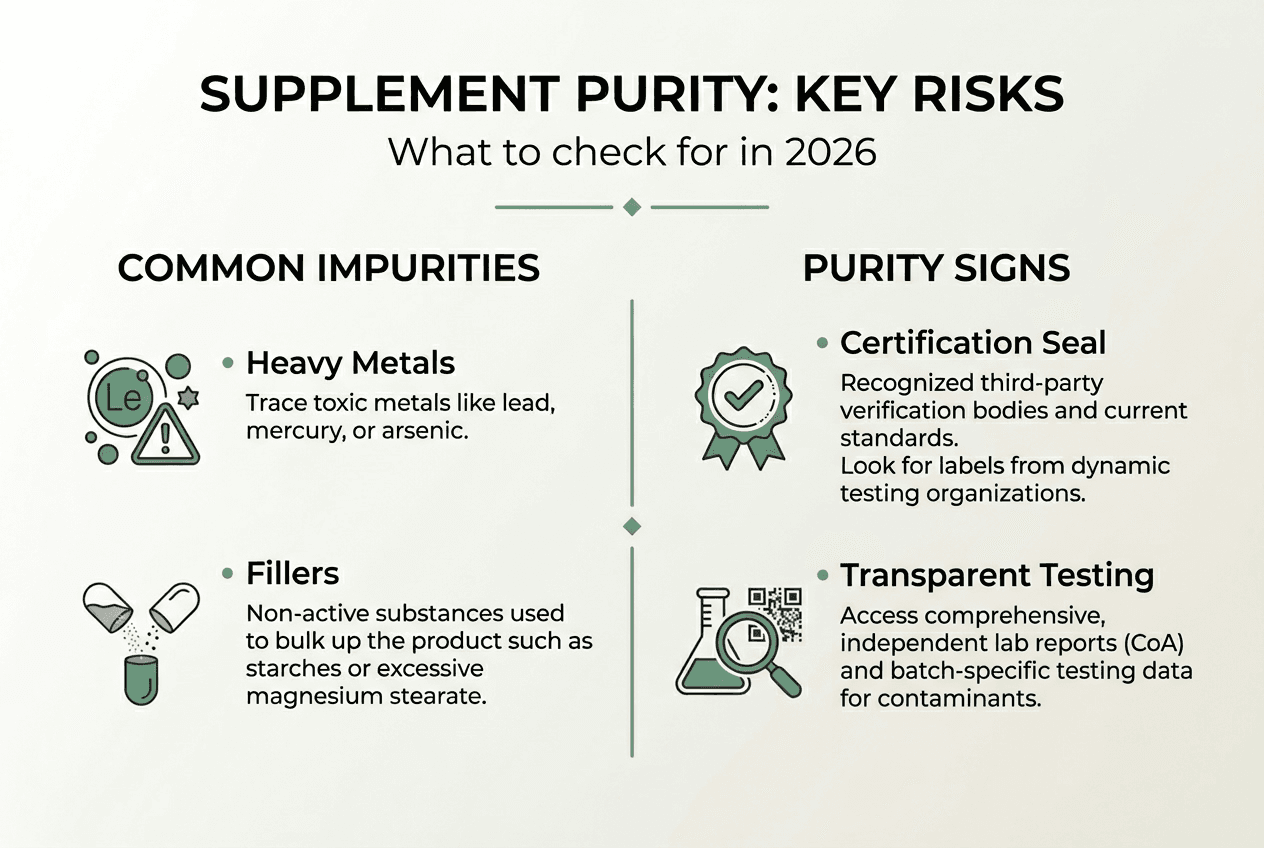
Heavy metals screening: Tests detect lead, mercury, arsenic, and cadmium at parts per billion levels.
-
Microbial contamination: Labs check for dangerous bacteria like salmonella, E. coli, and mold.
-
Pesticide residues: Screening identifies agricultural chemicals that can accumulate in botanical ingredients.
-
Banned substances: For athletes, testing confirms no prohibited compounds that could trigger doping violations.
-
Ingredient verification: Labs confirm each active ingredient matches label claims for identity and amount.
Athletes and serious fitness enthusiasts benefit enormously from third-party testing that screens for substances banned in sports. Even trace amounts of prohibited compounds can result in competition bans and destroyed careers. Unintentional doping from contaminated supplements is a real risk when products lack independent verification.
“Third-party certification provides consumers with confidence that supplements meet quality standards and contain what the label promises without harmful contaminants.”
When you see certification seals from respected organizations like NSF International, Informed Sport, or USP Verified, it signals the supplement passed rigorous independent testing. These programs require ongoing batch testing, facility inspections, and label claim verification. The supplement you are considering for varicose veins support or the Femin Plus formula you are researching should ideally carry these trust markers.
For joint health products like Flexomore, third-party testing becomes even more important because these supplements often contain multiple botanical extracts where contamination risks multiply. Each ingredient source introduces potential purity issues that only independent testing can reliably catch.
Risks of impure supplements: data, contaminants, and real-world impact
The supplement purity problem is not theoretical. Hard data reveals widespread quality failures that put consumers at risk every day. In 2024, the FDA issued 231 observations for failure to verify component specifications, representing hundreds of products potentially lacking proper purity verification.
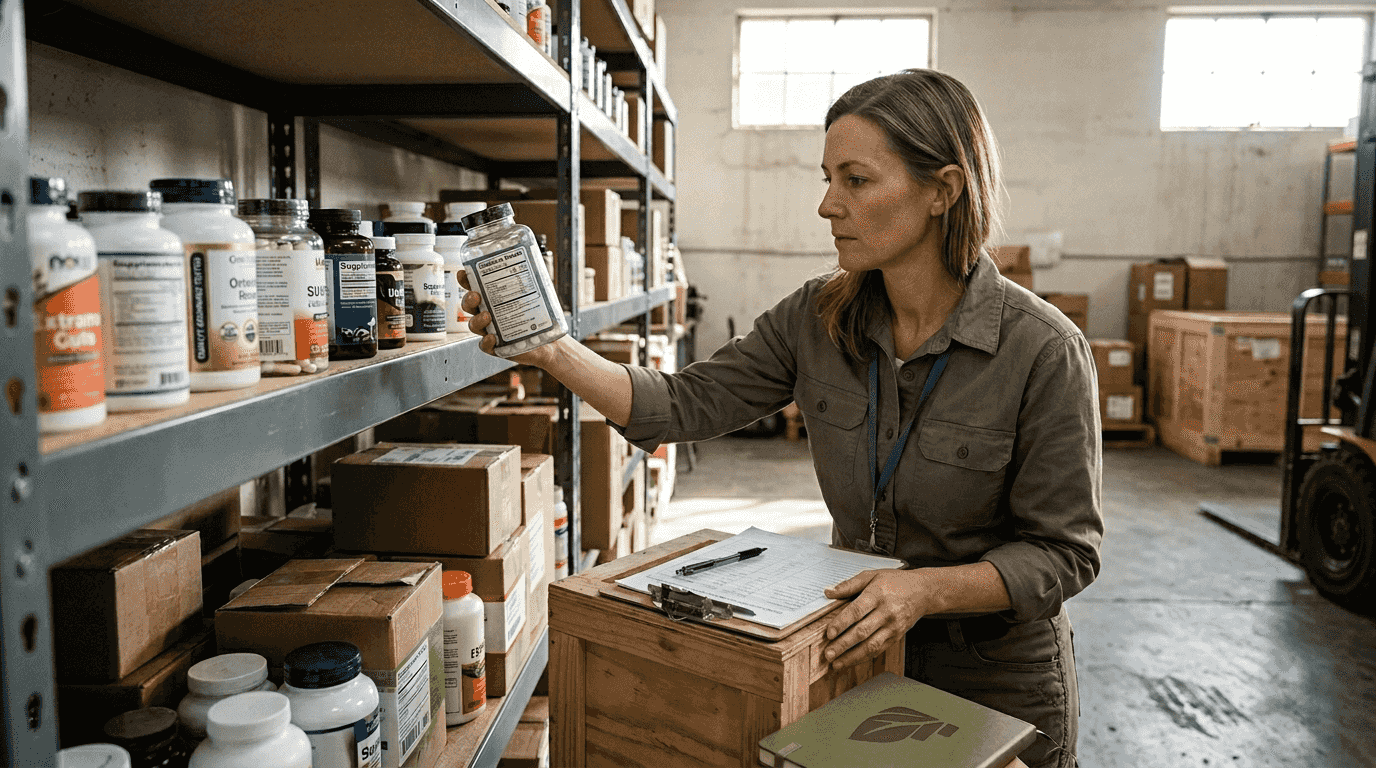
Even more alarming, a 2025 investigation found that over 50% of supplements tested from Amazon failed active ingredient label claims, with many containing less than 3% of the stated amount. Imagine taking a supplement daily, believing you are supporting your health goals, when you are actually getting virtually none of the active ingredient you paid for. This is not just fraud. It is a health risk when you rely on supplements to address specific wellness needs.
Contamination presents even graver dangers. Studies consistently detect hazardous heavy metals like lead and arsenic in dietary supplements at levels that pose cancer risk with lifetime exposure. These toxic elements accumulate in your body over time, potentially causing neurological damage, kidney disease, and increased cancer risk.
Contaminant Type Common Sources Health Risks Prevalence
Heavy metals Soil contamination in botanicals, manufacturing equipment Cancer, organ damage, neurological issues Found in 40-60% of untested supplements
Microbial pathogens Poor manufacturing hygiene, contaminated raw materials Foodborne illness, infections Present in 15-25% of supplements without GMP compliance
Undeclared ingredients Intentional adulteration, cross-contamination Allergic reactions, drug interactions Detected in 20-30% of weight loss and performance products
Pesticide residues Agricultural chemicals in botanical ingredients Endocrine disruption, reproductive harm Found in 30-45% of herbal supplements
The quality issues extend across supplement categories. Products for erectile function like Erisil Plus or immune support formulas like Nuvialab Immune can harbor these same purity problems when manufacturers cut corners or fail to implement proper quality controls.
Pro Tip: Be especially cautious with supplements marketed for weight loss or sexual enhancement. These categories show the highest rates of adulteration with undeclared pharmaceutical ingredients that can cause serious side effects or dangerous drug interactions.
The economic impact compounds the health risks. When you purchase impure supplements, you waste money on products that cannot deliver promised benefits. Over a year, this can amount to hundreds of dollars spent on essentially inert pills or powders. Beyond the financial loss, you may delay seeking effective treatments while relying on fraudulent supplements.
How to choose and verify supplement purity for your health and performance
Armed with knowledge about purity standards and risks, you can now make informed decisions that protect your health and optimize your supplement investment. The key is applying systematic verification steps before purchasing any supplement.
Start by checking for third-party certification seals from recognized testing organizations. These seals indicate the product underwent independent verification and passed stringent quality standards. NSF Certified for Sport, Informed Choice, and USP Verified represent the gold standard in supplement testing. Products carrying these certifications have been tested for banned substances, contaminants, and label claim accuracy.
Understand that manufacturers must test every dietary ingredient identity before manufacturing, and relying solely on supplier COAs is insufficient for regulatory compliance. This means legitimate manufacturers conduct their own identity testing using validated analytical methods. When researching brands, look for those that openly discuss their testing protocols and quality control measures.
Follow these numbered steps to verify supplement purity:
-
Check certification seals: Look for NSF, USP, Informed Sport, or similar third-party verification marks on the label.
-
Research the manufacturer: Investigate the company’s reputation, manufacturing practices, and history of recalls or FDA warnings.
-
Review lab test results: Many quality brands publish certificates of analysis for each batch on their website.
-
Read labels carefully: Verify ingredient amounts match scientific research for effectiveness and check for proprietary blends that hide actual doses.
-
Consult trusted reviews: Use resources that verify purity and regulatory compliance, not just marketing claims.
-
Contact the manufacturer: Ask specific questions about testing methods, frequency, and results if information is not readily available.
When evaluating products like Nutrigo Lab Strength for performance or browsing immune support supplement rankings, apply these verification steps consistently. Quality manufacturers welcome questions about purity and provide detailed answers.
High-Purity Supplement Signs Low-Purity Supplement Signs
Third-party certification seal visible on label No independent testing verification mentioned
Batch-specific COAs available on company website Vague quality claims without supporting documentation
Transparent ingredient sourcing information Proprietary blends hiding actual ingredient amounts
GMP-certified manufacturing facility Manufacturing location not disclosed or overseas with poor oversight
Specific analytical methods described (HPLC, mass spec) Generic statements about quality without technical details
Company responsive to purity questions Difficult to contact or evasive responses about testing
Read supplement labels with a critical eye. Ingredient amounts should align with scientific research showing efficacy for your health goals. Be skeptical of products making extreme claims or promising results that sound too good to be true. These are often signs of adulteration with undeclared pharmaceutical ingredients or simply fraudulent marketing.
For specialized needs, such as selecting supplements for specific health conditions, trusted reviews become invaluable. Platforms that verify purity and regulatory compliance help you cut through marketing noise to find products that actually work. This is particularly important for targeted formulas where ingredient quality directly impacts results.
Explore the best pure supplements for 2026
You now understand what supplement purity means, how to verify it, and why it matters for your health and performance. The next step is finding supplements that meet these rigorous standards. Our expert reviews analyze products specifically for purity, potency, and manufacturing quality, taking the guesswork out of your supplement decisions.
Discover supplements that pass third-party testing and deliver on their promises. Whether you need performance support with Nutrigo Lab Strength, want to explore immune support options, or are considering Femin Plus for women’s health, our detailed ratings cover ingredient quality, testing verification, and real-world effectiveness.
Check our comprehensive rankings to find products manufactured to the highest 2026 standards with verified ingredient purity. Every review examines third-party testing, manufacturing practices, and label accuracy so you can choose supplements with confidence. Your health deserves supplements that are pure, potent, and proven safe.
Frequently asked questions about supplement purity
What does supplement purity mean?
Supplement purity means the product contains exactly the ingredients listed on the label at the stated amounts, free from contaminants, adulterants, or undeclared substances. It is a regulatory requirement under FDA guidelines that manufacturers must verify through testing. Pure supplements deliver the intended health benefits without exposing you to harmful impurities.
How does third-party testing verify supplement purity?
Third-party testing involves independent laboratories with no financial ties to the manufacturer analyzing supplements for ingredient identity, potency, and contaminants. These labs use validated analytical methods like HPLC and mass spectrometry to confirm label claims. Testing screens for heavy metals, microbes, pesticides, and banned substances, providing unbiased verification that protects consumers.
How can I identify pure supplements?
Identify pure supplements by checking for third-party certification seals from organizations like NSF, USP, or Informed Sport on the label. Research the manufacturer’s testing protocols and look for batch-specific certificates of analysis on their website. Quality brands transparently share testing results and use GMP-certified manufacturing facilities.
What impurities are commonly found in supplements?
Common supplement impurities include heavy metals like lead, mercury, and arsenic from contaminated ingredients or manufacturing equipment. Microbial pathogens such as salmonella and E. coli can result from poor hygiene practices. Undeclared pharmaceutical ingredients, pesticide residues, and allergens not listed on labels also appear frequently in untested products.
Why is knowing supplement purity important for my health?
Knowing supplement purity protects you from consuming contaminants that can cause serious health problems including organ damage, cancer risk, and acute illness. It ensures you receive the active ingredients at effective doses for your wellness goals. For athletes, verified purity prevents unintentional doping violations. Pure supplements deliver the benefits you expect while safeguarding your long-term health.
Do all supplements require purity testing?
Yes, FDA regulations under 21 CFR Part 111 require all dietary supplement manufacturers to establish and verify specifications for purity, identity, composition, strength, and contamination. However, enforcement varies and many manufacturers, especially smaller or overseas operations, fail to comply fully. This is why third-party testing provides crucial additional verification beyond minimum regulatory requirements.