
TL;DR:
- Antioxidants neutralize free radicals that damage cells and contribute to chronic diseases. A diverse, plant-rich diet provides the best source of these compounds, supporting overall health and preventing oxidative stress. Supplementation at high doses can be risky and is not a substitute for whole foods.
Antioxidants are defined as compounds that neutralize free radicals, protecting your cells from the oxidative damage that drives chronic disease. Free radicals are unstable molecules your body produces during normal metabolism, but pollution, UV radiation, and poor diet accelerate their production far beyond what your body can handle alone. Oxidative stress is directly implicated in conditions ranging from arthritis and emphysema to Alzheimer’s and Parkinson’s disease. Your body produces some antioxidants on its own, including glutathione and superoxide dismutase, but diet remains the primary source for most people. Understanding the role of antioxidants in health is the first step toward making food choices that genuinely protect you over the long term.
How do antioxidants work at the molecular level?
Antioxidants protect cells by interrupting the chain reactions that free radicals trigger. A free radical steals an electron from a nearby molecule, which then becomes unstable and steals from another, creating a cascade of cellular damage. Antioxidants donate an electron to a free radical without becoming unstable themselves, which stops the chain reaction cold.
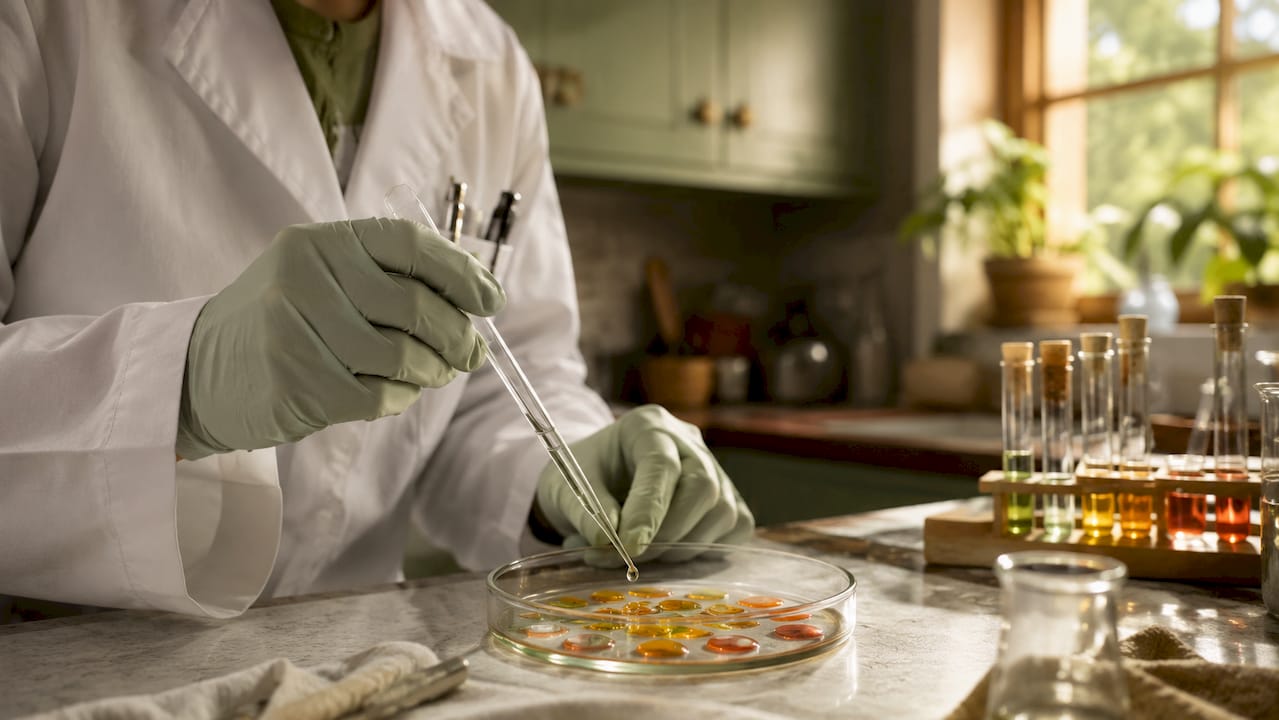
The process goes deeper than simple electron donation. Dietary antioxidants like resveratrol and quercetin activate the Nrf2 pathway, a master regulator that switches on genes responsible for producing support enzymes inside your cells. Nrf2 activation also supports metabolic health through AMPK and SIRT1 mechanisms, two pathways that regulate energy use and inflammation. This means a single polyphenol from a cup of green tea can trigger a broad protective response across multiple systems simultaneously.
Alpha-lipoic acid is another compound worth understanding. Unlike most antioxidants, it works in both water-soluble and fat-soluble environments, giving it access to virtually every cell compartment. It also regenerates other antioxidants like vitamins C and E after they have been oxidized, effectively recycling your body’s defenses.
The body’s own antioxidant network includes:
- Glutathione, the most abundant intracellular antioxidant, produced in the liver and critical for elimination
- Superoxide dismutase (SOD), converts the highly reactive superoxide radical into less harmful hydrogen peroxide
- Catalase, breaks down hydrogen peroxide into water and oxygen, completing the cleanse cycle
- Coenzyme Q10, protects mitochondrial membranes and supports energy production in heart and muscle cells
One critical nuance separates lab science from real-world nutrition. Plant antioxidants are modified extensively by the liver and gut microbiome before they reach your tissues. A polyphenol that shows strong antioxidant activity in a test tube may behave very differently inside your body, depending on your individual gut bacteria and metabolic rate. This is why no single superfood or supplement can replicate the complexity of a varied diet.
Pro Tip: Fermented foods like kimchi and kefir support the gut microbiome strains that convert plant polyphenols into their most bioavailable forms, making your antioxidant-rich diet more effective.
What are the specific health benefits of antioxidants?
The benefits of antioxidants span nearly every major body system, and the evidence base is strong enough to inform real dietary decisions.
Cardiovascular protection
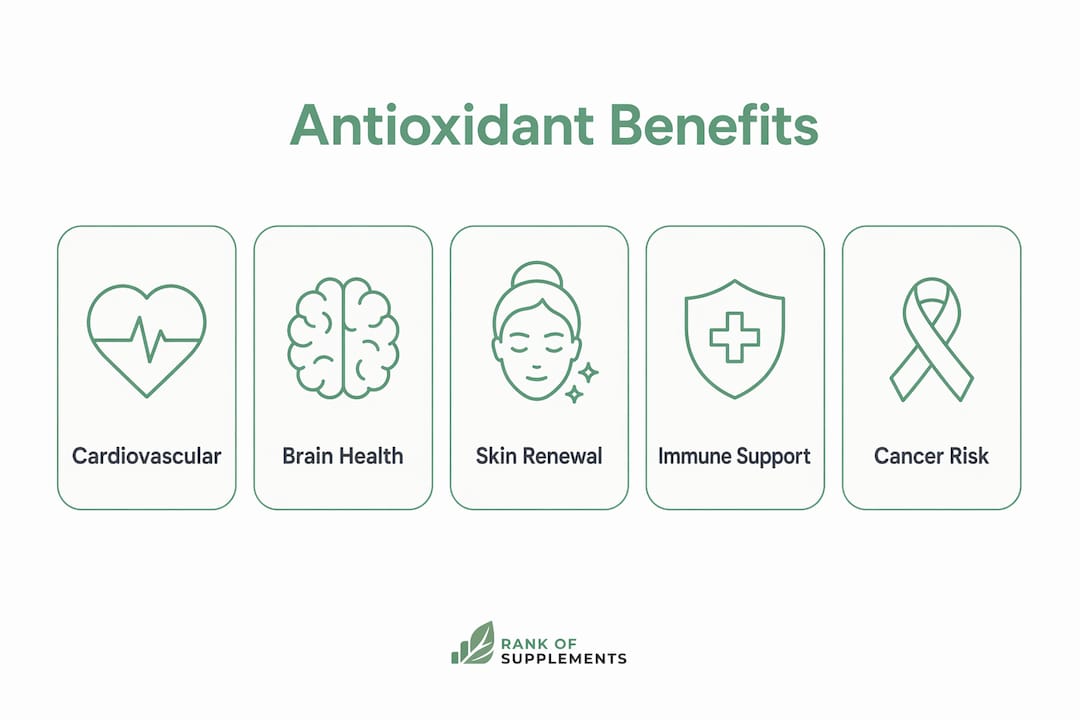
Oxidative damage to LDL cholesterol is a key step in the formation of arterial plaques. Antioxidants interrupt this process by preventing LDL oxidation, reducing inflammation in blood vessel walls, and supporting healthy blood pressure. Lycopene, found in tomatoes and watermelon, specifically supports heart health through this mechanism. Research on free radical cardiac damage confirms that oxidative stress is a direct driver of heart disease progression, not just a bystander.
Brain aging and cognitive decline
The brain is especially vulnerable to oxidative damage because it consumes a disproportionate amount of oxygen relative to its size. Antioxidants protect neurons from the kind of cumulative damage linked to Alzheimer’s and Parkinson’s disease. Flavonoids from berries and dark chocolate cross the blood-brain barrier and reduce neuroinflammation. Readers interested in targeted support can find evidence-based options in Rankofsupplements’ guide to cognitive health supplements.
Skin health and aging
Antioxidants preserve collagen and elastin, the structural proteins that keep skin firm and hydrated. UV radiation generates free radicals that break down these proteins, accelerating wrinkles and age spots. Vitamins C and E, applied topically or consumed through diet, reduce UV-induced inflammation and support collagen synthesis. The Dietary Antioxidant Quality Index is associated with improved outcomes in inflammatory skin conditions, reinforcing the link between diet quality and skin health.
Immune function
Antioxidants support immune cells by keeping them functional under oxidative stress. White blood cells generate free radicals intentionally to kill pathogens, but this process can damage surrounding tissue if antioxidant defenses are weak. Vitamin C, zinc, and selenium are particularly important for maintaining immune cell integrity. Adequate antioxidant intake through diet strengthens immune defenses without the risks that come with high-dose supplementation.
Cancer risk reduction
- Sulforaphane, found in broccoli and other cruciferous vegetables, activates support enzymes that neutralize carcinogens before they can damage DNA
- Polyphenols in green tea inhibit tumor cell proliferation in laboratory studies
- Carotenoids like beta-carotene from carrots and sweet potatoes support cellular communication that helps identify and eliminate abnormal cells
- Antioxidants reduce chronic inflammation, which is a known driver of cancer development over time
No single antioxidant prevents cancer on its own. The protective effect comes from the combined action of dozens of compounds working across multiple pathways simultaneously.
Which foods are the best sources of antioxidants?
A diet rich in fruits and vegetables delivers more antioxidant benefit than any supplement regimen. Whole foods provide antioxidants in combinations and concentrations that the body recognizes and processes efficiently, alongside fiber, minerals, and other phytochemicals that amplify their effects.
The “eat the rainbow” guideline is useful but incomplete. Color signals the presence of specific antioxidant families: red and orange foods contain carotenoids, purple and blue foods contain anthocyanins, and green foods contain chlorophyll and sulforaphane. But some of the most potent antioxidant foods are colorless. Garlic and onions contain allicin and quercetin, compounds with strong cardiovascular and immune benefits that would be missed by a color-only approach.
| Food | Key antioxidant | Primary benefit |
|---|---|---|
| Blueberries | Anthocyanins | Brain protection, reduced inflammation |
| Tomatoes | Lycopene | Heart health, UV skin protection |
| Broccoli | Sulforaphane | Elimination, cancer risk reduction |
| Garlic | Allicin | Immune support, cholesterol regulation |
| Bell peppers | Vitamin C | Collagen synthesis, immune function |
| Walnuts | Ellagic acid, vitamin E | Neurological protection, anti-inflammation |
| Green tea | EGCG (epigallocatechin gallate) | Cellular protection, metabolic support |
Cooking method matters more than most people realize. Lightly steaming broccoli increases sulforaphane availability compared to boiling, which leaches water-soluble compounds into the cooking water. Tomatoes release more lycopene when cooked with a small amount of fat, because lycopene is fat-soluble. Raw garlic delivers more allicin than cooked garlic, since heat degrades the enzyme that produces it.
Polyphenols from plant foods also feed beneficial gut bacteria, which convert them into metabolites with their own anti-inflammatory effects. This is why different antioxidants target specific systems and why diversity of plant intake matters more than eating large amounts of any single food.
Pro Tip: Crush or chop garlic and let it sit for 10 minutes before cooking. This activates the alliinase enzyme that produces allicin, preserving more of its antioxidant activity even when heat is applied.
What are the risks of antioxidant supplements?
The supplement industry markets antioxidants aggressively, but the clinical evidence tells a more complicated story. The core problem is dose. Antioxidants at dietary levels protect cells. At pharmacological doses found in many supplements, they can disrupt the redox balance your body depends on for normal signaling.
- Beta-carotene supplements increased lung cancer risk in smokers in multiple large clinical trials, despite beta-carotene from food being protective
- Vitamin E supplements at high doses are linked to increased all-cause mortality in meta-analyses of elderly populations
- Vitamin A supplements carry toxicity risks at doses above the tolerable upper intake level, causing liver damage and bone loss over time
- Antioxidant supplements during chemotherapy may reduce treatment effectiveness by protecting cancer cells from the oxidative damage that chemotherapy is designed to cause
High-dose antioxidant supplements can paradoxically increase mortality in vulnerable populations. This finding comes from meta-analyses covering large numbers of participants, not isolated studies. The pattern is consistent enough to take seriously.
“Supplements should never replace a varied, balanced diet. Overconsumption risks and potential organ side effects make professional guidance necessary before adding high-dose antioxidants to your routine. The safest and most effective antioxidant supply remains whole food.”
The metabolism difference between food and supplements explains much of this gap. When you eat a tomato, you get lycopene alongside dozens of other compounds that modulate how your body processes it. A lycopene capsule delivers a concentrated, isolated dose with none of that biological context. Antioxidant activity in vivo differs substantially from what lab tests predict, because your liver and gut microbiome transform these compounds in ways that depend on your individual biology.
The practical conclusion is clear. Whole-food sources are the safest and most effective way to get antioxidants. Consult a healthcare professional before adding any antioxidant supplement to your routine, especially if you take medications or are undergoing cancer treatment.
Key Takeaways
Antioxidants protect health most effectively through a diverse, plant-rich diet rather than through isolated high-dose supplements.
| Point | Details |
|---|---|
| Free radical neutralization | Antioxidants stop oxidative chain reactions that damage cells and drive chronic disease. |
| Molecular pathways matter | Compounds like resveratrol and quercetin activate Nrf2, triggering broad cellular protection beyond simple radical scavenging. |
| Whole foods outperform supplements | Dietary antioxidants work in synergy with fiber and phytochemicals; isolated supplements lack this biological context. |
| High-dose supplements carry real risks | Meta-analyses link beta-carotene, vitamin A, and vitamin E supplements to increased mortality in some populations. |
| Diversity beats quantity | Eating a wide range of plant foods delivers more antioxidant benefit than large amounts of any single food or compound. |
Why I think the “superfood” framing misses the point entirely
After years of reading the research on antioxidant nutrition, the pattern that stands out most is how badly the supplement and wellness industry has oversimplified the science. The body’s antioxidant defense is a complex, interdependent network, not a system you can upgrade by adding one compound in large doses. Yet the marketing around products like resveratrol capsules or high-dose vitamin C implies exactly that.
What I find genuinely interesting about redox biology is that the body actually needs some free radicals. They are signaling molecules. They trigger adaptations to exercise. They help immune cells kill pathogens. When you flood your system with antioxidants from supplements, you risk blunting these signals. This is likely why antioxidant supplements taken around exercise can reduce some of the fitness gains from training. The body’s response to oxidative stress is part of how it gets stronger.
The practical implication is that lifestyle habits matter as much as diet. Regular exercise upregulates your body’s own antioxidant enzymes, including superoxide dismutase and catalase, more effectively than most supplements. Chronic stress and poor sleep, on the other hand, accelerate oxidative damage faster than any food can compensate for. Eating blueberries while sleeping five hours a night and skipping exercise is not a winning antioxidant strategy.
My honest recommendation is to treat antioxidant-rich foods as a daily baseline, not a therapeutic intervention. Build your plate around variety: leafy greens, colorful vegetables, legumes, nuts, and whole grains. Add garlic and onions without worrying about their color. Drink green tea. Skip the megadose supplements unless a physician has identified a specific deficiency. The evidence for whole-food antioxidant intake is strong and consistent. The evidence for supplements is mixed at best and harmful at worst.
matteo
Rankofsupplements can help you navigate antioxidant supplements wisely
Choosing an antioxidant supplement without reliable information is a real risk, given how much the evidence varies by compound and dose. Rankofsupplements provides science-backed reviews and rankings designed to cut through the marketing noise.
The Supplement Ingredient Library at Rankofsupplements gives you detailed, research-grounded profiles on antioxidant compounds including quercetin, alpha-lipoic acid, and coenzyme Q10, so you know exactly what the evidence supports before you buy. For readers focused on specific goals, the curated antioxidant supplement rankings for 2026 highlight top-rated options with transparent scoring. If skin aging is your primary concern, the skin health supplement guide covers antioxidant-based options rated for collagen support and UV protection. Every review on Rankofsupplements treats supplements as adjuncts to diet, not replacements for it.
FAQ
What is the role of antioxidants in health?
Antioxidants neutralize free radicals, preventing oxidative stress that damages cells and contributes to chronic diseases including heart disease, cancer, and neurodegeneration. They work through direct radical scavenging and by activating cellular defense pathways like Nrf2.
Do antioxidants prevent disease?
Antioxidant-rich diets are consistently associated with lower rates of cardiovascular disease, cognitive decline, and certain cancers, but no single antioxidant prevents disease on its own. The protective effect comes from the combined action of many compounds consumed through a varied diet.
Are antioxidant supplements safe?
Dietary antioxidants from food are safe for most people, but high-dose supplements carry real risks. Meta-analyses link beta-carotene, vitamin A, and vitamin E supplements to increased mortality in some populations, and they may interfere with chemotherapy.
Which foods have the highest antioxidant content?
Blueberries, tomatoes, broccoli, garlic, bell peppers, walnuts, and green tea are among the richest sources. Colorless foods like garlic and onions contain potent antioxidants that a color-only approach to diet would overlook.
How do antioxidants support skin health?
Antioxidants preserve collagen and elastin by neutralizing the free radicals generated by UV radiation and pollution. Vitamins C and E are particularly effective for reducing UV-induced inflammation and supporting the skin’s structural proteins.
Recommended
- Related article: List of Antioxidant Supplements: Top Picks for 2026
- Top list: Best Antioxidant Supplements Ranked
- Specific product: Nutrigo Lab Strength Review
- Guide: Best Supplements for Skin Health and Aging