Registered dietitians deliver Medical Nutrition Therapy, a structured, evidence-based process that measurably improves the odds of losing weight and keeping cardiometabolic numbers in check. Most people see a target pace of about 1 to 1.5 pounds per week, built around a calorie plan designed for their body, not a generic chart. The sections below cover what that process looks like, what the research actually shows, and how to pick the right person for the job.
TL;DR:
- Regular contact with a dietitian for at least five sessions over several months significantly improves long-term weight loss success and maintenance.
- An individualized calorie and macronutrient plan based on labs and lifestyle is more effective than generic templates or fixed calorie rules.
- Behavior change techniques, such as addressing cravings and social triggers, are prioritized early before focusing heavily on calorie restrictions.
- Meal timing, especially protein distribution throughout the day, can impact plateau-busting and should be optimized before adjusting calorie targets.
- Supplements should be carefully evaluated with evidence-based resources before considering them as part of a weight management plan.
Table of Contents
- What Does a Dietitian Do for Weight Loss?
- Does Dietitian Care Actually Move the Number on the Scale?
- What Happens at Your First Dietitian Appointment?
- How Dietitians Support Weight-Loss Medications and Care Teams
- Who Actually Needs to See a Dietitian for Weight Loss?
- How to Choose a Dietitian (and What to Ask at the First Call)
- Where Supplements Fit Into a Dietitian’s Plan
- A Case Where the Fix Wasn’t Calories
- Vetting Supplements Before You Bring Them to Your Dietitian
- Sources
- FAQ
What Does a Dietitian Do for Weight Loss?
Medical Nutrition Therapy is the clinical term for the nutrition care a Registered Dietitian Nutritionist (RDN) provides, and it follows a set sequence: assessment, diagnosis, intervention, and monitoring. That structure is called the Nutrition Care Process, and it’s the reason dietitian care differs from a downloaded meal plan.

The assessment digs into labs, medications, activity level, sleep, and eating patterns before any numbers get assigned. From there, an RDN builds an individualized calorie target rather than applying a flat 1,200 or 1,500 calorie rule to everyone in the room.
In practice, that work includes:
- Setting a personalized calorie and macronutrient range based on labs, body composition, and lifestyle
- Building meal plans around real schedules and food preferences instead of restrictive templates
- Designing protein strategies to protect muscle mass during a calorie deficit
- Applying behavior-change techniques for cravings, stress eating, and social triggers
- Screening for social and medical contributors to weight, like food access, sleep disruption, or thyroid issues
Behavioral work often comes before heavy calorie prescriptions. Dietitians frequently spend the first sessions on eating patterns and triggers, then layer in the numbers once those habits are on the table.
Does Dietitian Care Actually Move the Number on the Scale?
Yes, and the evidence base is stronger than most people expect. A systematic review of dietitian-led weight management found that individualized nutrition therapy produced modest but statistically significant additional weight loss compared with usual care, with pooled differences of roughly 1 kilogram beyond what people achieved on their own or with generic advice.
A kilogram doesn’t sound dramatic, but it’s the average across a mixed group of trials. People who stay engaged with regular sessions tend to land well above that average.
The Academy of Nutrition and Dietetics states that dietitian-provided interventions increase the likelihood of reaching at least 5% total body weight loss, a threshold tied to real improvements in blood pressure and blood sugar. Benefits extend past the scale, too. Dietitian-led behavioral work is linked to better blood pressure and glycemic control, particularly for people with prediabetes or type 2 diabetes.
Contact frequency matters more than any single technique. The Academy’s own practice guideline notes stronger, more durable outcomes when care includes five or more contacts and runs longer than a few months. Fewer visits than that, and results tend to fade fast:
- Five or more sessions correlates with better long-term maintenance
- Programs lasting a year or longer show more stable results than short, one-off consults
- Many people see some weight regain within three months of stopping active follow-up
What Happens at Your First Dietitian Appointment?
Walking in prepared changes how much ground the first visit covers. Bring your medical history, recent labs like HbA1c or a lipid panel, a current medication list, and a short food diary. That prep lets your dietitian build a real plan on day one instead of spending the visit gathering basic information.
- Pre-visit prep. Pull together labs, medications, and three days of honest food notes before you walk in.
- Initial assessment. Your dietitian reviews your history, current eating patterns, activity, and goals, then sets a realistic pace of 1 to 1.5 pounds per week.
- Baseline plan. You leave with an individualized calorie target and a starting nutrition strategy, not a generic printout.
- Follow-up cadence. Most plans call for regular check-ins that track weight, waist circumference, labs, and overall day-to-day functioning.
- Adjustment. If progress stalls or side effects show up, the plan gets revised, or you get referred to another specialist.
Pro Tip: Write down three days of what you actually eat, not what you think you should say. Dietitians build better plans from an honest, messy food log than from a cleaned-up version meant to impress.
How Dietitians Support Weight-Loss Medications and Care Teams
GLP-1 medications have changed the referral picture, but they haven’t replaced the nutrition work. If anything, they’ve made it more specific. Dietitians now build nutrition protocols around GLP-1 therapies that focus on protecting muscle during rapid weight loss and managing side effects like nausea and constipation.
Common adjustments include:
- Stepped-up protein targets to preserve lean mass during fast weight loss
- Smaller, slower meal introductions to ease nausea and appetite suppression
- Fiber and fluid strategies to manage constipation, a frequent GLP-1 complaint
- Coordination with the prescribing physician on timing, dosing feedback, and side-effect reports
When nutrition changes alone aren’t resolving symptoms or progress has genuinely stalled, dietitians escalate to the prescribing physician or another specialist rather than pushing harder on diet alone.
Who Actually Needs to See a Dietitian for Weight Loss?
Not everyone chasing weight loss needs a clinical referral, but several situations call for one specifically.
- Overweight or obesity paired with cardiometabolic risk factors like high blood pressure or elevated cholesterol
- Prediabetes or type 2 diabetes, where nutrition directly affects blood sugar control
- Starting or adjusting a weight-loss medication, where side-effect management and muscle preservation matter
- A history of yo-yo dieting or disordered eating patterns, where a person-centered approach reduces relapse risk
- Pregnancy, kidney disease, or other conditions where calorie and nutrient needs shift significantly
One myth worth killing here: dietitian care doesn’t worsen eating pathology. Research summarized in the Academy’s position paper actually shows the opposite. Behavioral MNT interventions tend to reduce eating pathology risk and improve quality of life rather than fuel restrictive or disordered patterns.
If you notice rapid unintentional weight loss, fainting, or signs of an eating disorder, that’s a signal to prioritize medical evaluation over a standard weight-management consult.
How to Choose a Dietitian (and What to Ask at the First Call)
Credentials come first. Look for RDN or RD after the name, which confirms accredited education, supervised practice, and a national exam. Beyond that baseline, ask direct questions before booking:
- What’s your experience with weight management specifically? General nutrition counseling and weight-focused MNT aren’t the same skill set.
- How do you track progress? You want more than a scale number, ideally waist circumference, labs, and how you’re functioning day to day.
- What does a typical program look like? Ask about session frequency and total duration, since guideline data ties better outcomes to five or more contacts over several months.
- Do you take insurance, and what’s the cash rate? Pricing clarity upfront avoids surprises later.
- How do you handle medication coordination? If you’re on or considering a GLP-1, this matters.
Be wary of anyone promising a fixed number of pounds by a fixed date, or a single meal plan for every client — find structured support options like coaching services designed for personalized nutrition guidance. Telehealth and in-person both work; the deciding factor is usually contact frequency and whether the fit feels collaborative rather than prescriptive.
Where Supplements Fit Into a Dietitian’s Plan
Supplements are adjuncts, not substitutes for the nutrition plan itself. A dietitian’s job is to weigh the evidence, check for drug interactions, and confirm a supplement is actually necessary before recommending it, which is a very different process than picking something off a shelf.
Common scenarios where an RDN might suggest a supplement include a diagnosed vitamin D or iron deficiency, or protein gaps that are hard to close through food alone during a calorie deficit. Our weight loss vitamins list and breakdown of why micronutrients matter for weight loss are useful starting points for understanding which nutrients actually have evidence behind them before that conversation happens.
- Always disclose every medication and supplement you’re taking, prescription or otherwise
- Bring specific product labels to your appointment rather than describing them from memory
- Ask your dietitian to check for interactions with any GLP-1 or other prescription you’re on
A Case Where the Fix Wasn’t Calories
One recurring pattern worth flagging: a client stalls for weeks despite a solid calorie deficit, and the real issue turns out to be protein timing, not total intake. Shifting 30 grams of protein to breakfast, instead of loading it at dinner, cut afternoon cravings and unstuck the plateau within two weeks. The takeaway: when progress stalls, look at meal timing before assuming the calorie target itself is wrong.
— matteo
Vetting Supplements Before You Bring Them to Your Dietitian
There are other ways to research supplements on your own, forums, brand websites, influencer recommendations, but most of them skip the evidence and dosage details that actually matter. This site offers independent, science-backed reviews organized by health goal, so you can walk into your next dietitian visit with real questions instead of a random product name.
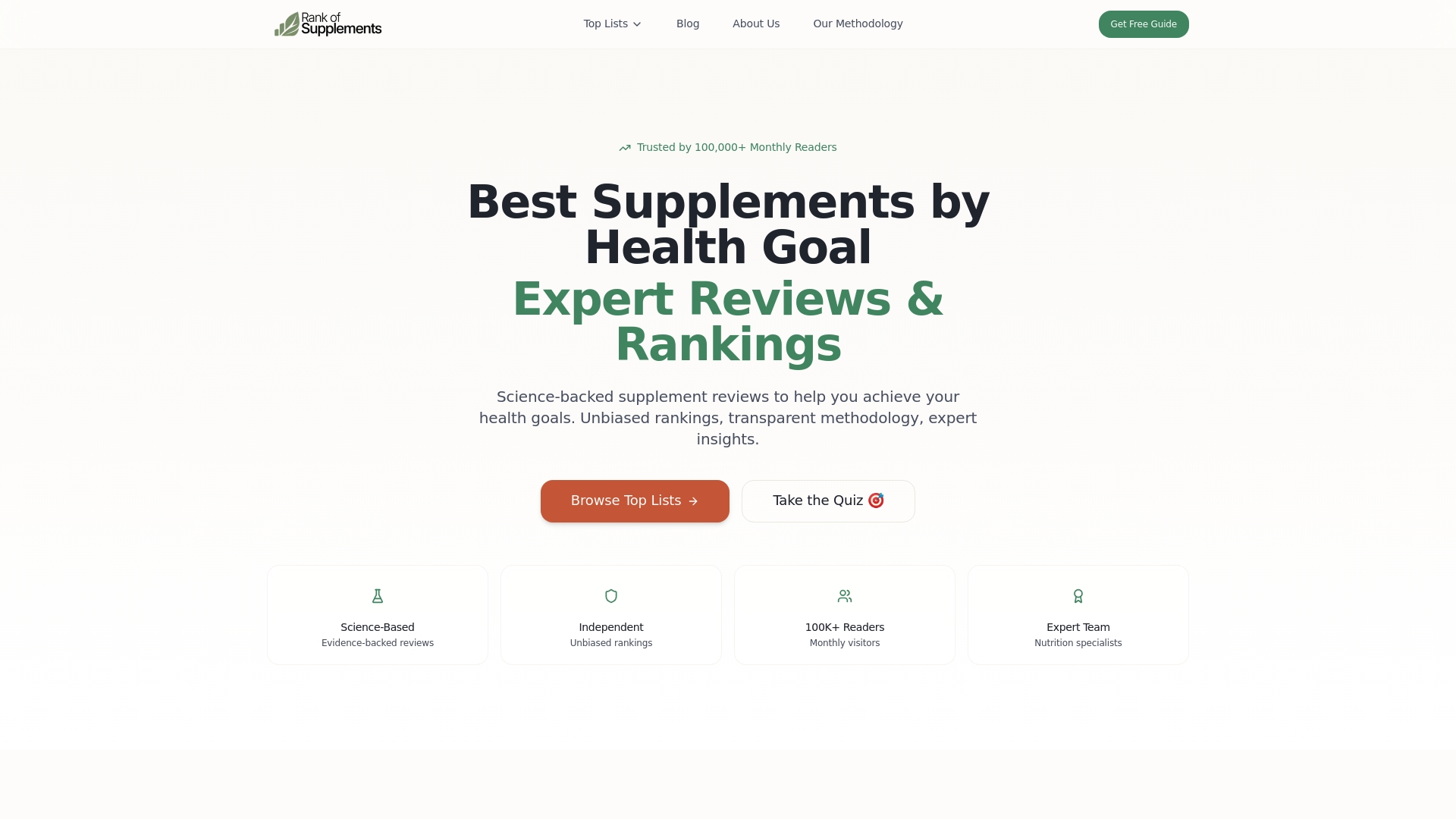
The supplement ingredient library breaks down dosage ranges, interaction risks, and evidence quality for nutrients commonly discussed during weight management, useful groundwork before you ask your RDN whether something is worth adding. If you’re specifically weighing a protein or metabolism-support product, the supplement rankings show how products can be evaluated against research rather than marketing claims. Start by pulling up the ingredient library for anything currently in your cabinet, then bring that list to your next appointment.
Sources
Claims here draw on the Academy of Nutrition and Dietetics guideline, a systematic review of dietitian-led weight management, Johns Hopkins Medicine’s MNT guidance, and the Academy’s evidence-based practice guideline on contact frequency.
This article is general information, not a substitute for advice from a qualified doctor. Consult a qualified healthcare professional about your own circumstances before acting on anything here.
- Adult Weight Management
- How Effective Are Dietitians in Weight Management? A systematic review
- Medical nutrition therapy interventions provided by dietitians for adult overweight and obesity management: an academy of nutrition and dietetics evidence-based practice guideline
FAQ
Is it better to see a dietitian or a nutritionist for weight loss?
A dietitian, specifically an RDN, carries a protected credential that requires accredited education, supervised practice, and a licensing exam; “nutritionist” isn’t regulated the same way in most states, so credentials vary widely.
What is the 3-3-3 rule for losing weight?
This isn’t a standard clinical guideline from the Academy or major health systems; if you’ve seen it referenced online, treat it as informal advice rather than an evidence-based framework, and ask your dietitian for a plan built around your own labs and goals instead.
What should you avoid saying to a dietitian?
Avoid downplaying your actual eating habits or skipping details about medications and supplements. The plan only works if the assessment is built on accurate information, not a version edited to sound healthier.
Do dietitians really help with weight loss?
Yes. Guideline-backed evidence shows dietitian-provided interventions increase the likelihood of reaching at least 5% total body weight loss, with stronger, more lasting results tied to five or more contacts over several months.