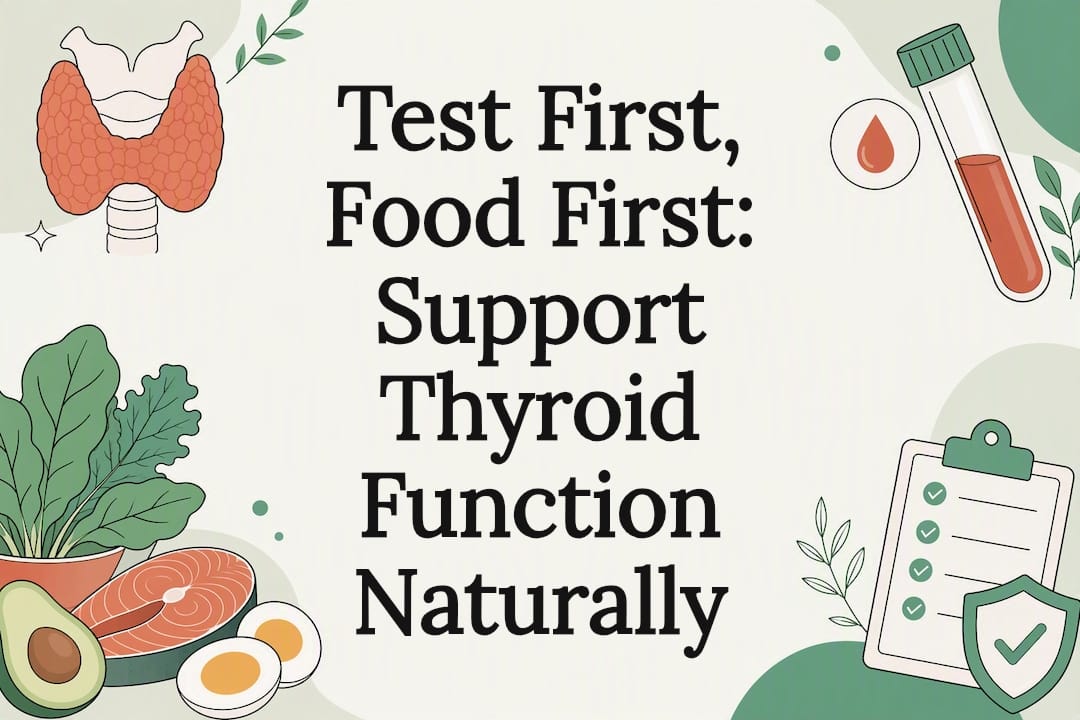
The fastest way to support thyroid function naturally is to fix your plate before you touch a supplement bottle: eat a nutrient-dense, Mediterranean-style diet, get labs checked, and correct only confirmed deficiencies under clinician guidance. Skip high-dose iodine, kelp, and multi-ingredient “thyroid boosters.” Time your medication carefully and manage stress. Clinical guidance from Mayo Clinic and the British Thyroid Foundation backs this approach, and Rankofsupplements builds its ingredient guidance around the same principle.
TL;DR:
- Eating a Mediterranean-style diet with seafood, nuts, grains, and vegetables provides essential nutrients without risking iodine excess from supplements like kelp.
- Correct nutrient deficiencies, especially iodine, selenium, iron, and zinc, through food first, and only use supplements under clinician supervision with confirmed lab results.
- Avoid high-dose iodine from seaweed supplements and manage thyroid medication timing carefully to prevent absorption issues and inaccurate lab results.
- Supporting lifestyle habits such as consistent sleep, stress reduction, and regular moderate exercise help optimize thyroid hormone regulation.
- Reduce environmental toxin exposure by filtering tap water, avoiding plastic containers for hot foods, and choosing fragrance-free personal care products to lower endocrine disruption risk.
Table of Contents
- Key Nutrients That Fuel Thyroid Hormone Production
- Foods That Help, Foods That Backfire
- Sleep, Stress, and Movement Habits That Move the Needle
- Medication Timing and Lab Testing Mistakes to Avoid
- Where Supplements Actually Help, and Where They Backfire
- Building a Safe Plan Around Testing, Not Guesswork
- The Gut Connection Most Guides Skip
- Environmental Toxins Worth Actually Worrying About
- Adaptogens and Natural Compounds: What Holds Up
- What I’d Actually Tell a Friend
- Check Ingredients Before You Buy, Not After
- Sources
- FAQ
Key Nutrients That Fuel Thyroid Hormone Production
Your thyroid gland can’t make hormone without raw materials, and four nutrients matter most: iodine, selenium, iron, and zinc. Iodine is the literal building block of T4, the hormone your thyroid releases into circulation. Selenium activates the enzymes that convert T4 into T3, the active form your cells actually use, while also protecting thyroid tissue from oxidative damage during that conversion. Iron and zinc support the enzymatic machinery behind both processes, and low iron status in particular is linked to sluggish hormone conversion.
Vitamin D plays a supporting role too, mostly through immune regulation relevant to autoimmune thyroid conditions like Hashimoto’s; learn practical guidance on safe sun exposure and vitamin D for bone and endocrine health here.
Food-first sourcing beats supplementation for most people:
- Iodine: iodized salt, seafood, dairy
- Selenium: Brazil nuts (one or two a day is plenty), sardines, eggs
- Iron: lean red meat, legumes, fortified cereals
- Zinc: oysters, beef, pumpkin seeds
- Vitamin D: fatty fish like salmon, fortified milk, moderate sun exposure
Pro Tip: One or two Brazil nuts a day typically cover a healthy adult’s selenium needs in most cases. Eating a handful daily can tip you toward toxicity symptoms like brittle nails and garlic breath.
Clinical guidance referenced by Washington University’s surgery department puts daily selenium needs around 55 micrograms for most adults, with some clinical commentary referencing intakes closer to 105 micrograms depending on baseline diet and thyroid status. If you suspect you’re falling short on any of these nutrients, a basic panel from your doctor beats guessing. Correct real gaps with food first, and reserve supplements for documented shortfalls a clinician has confirmed.
Foods That Help, Foods That Backfire
A Mediterranean-style pattern, built around seafood, olive oil, whole grains, legumes, nuts, and a wide range of vegetables and fruit, gives your thyroid the micronutrient variety it needs without any single-ingredient extremes. Iodized salt used normally in cooking is enough for most people; you don’t need to hunt down “thyroid-friendly” salt brands.
Where people run into trouble is overcorrection. Kelp, dried seaweed snacks, and concentrated seaweed supplements can deliver iodine doses many times higher than what’s safe, and both too little and too much iodine can throw thyroid function off balance, according to research published in the Journal of Endocrinological Investigation. Raw cruciferous vegetables (kale, broccoli, cauliflower) contain compounds that can interfere with iodine uptake, but this only becomes a real concern if you’re eating large amounts raw every day and your iodine intake is already marginal. Cooking largely deactivates the effect, so a stir-fry of broccoli is a non-issue.
- Eat seafood two to three times a week
- Cook cruciferous vegetables rather than eating them raw in bulk
- Keep soy intake consistent and away from your medication window
- Skip kelp tablets and seaweed-based iodine supplements entirely
A practical dinner that checks every box: baked salmon, a side of roasted Brussels sprouts, and a small serving of lentils, with a couple of Brazil nuts as an afternoon snack.
Sleep, Stress, and Movement Habits That Move the Needle
Thyroid hormone regulation runs on a circadian clock, and chaotic sleep undermines it the same way it undermines cortisol and insulin rhythms. Getting morning sunlight and holding a consistent wake time, even on weekends, keeps that clock steady.
- Sleep: Anchor your wake time within a 30-minute window daily, and get outside within an hour of waking.
- Stress management: Ten minutes of slow diaphragmatic breathing or gentle yoga four to five times a week does more than vague “reduce stress” advice ever will. Chronic cortisol elevation can suppress the pituitary signal (TSH) that tells your thyroid to work.
- Exercise: Aim for consistent aerobic or mixed training, three to five sessions a week, sustained over months rather than sporadic bursts. A meta-analysis of exercise interventions found measurable reductions in TSH and increases in T4 among participants in long-term training programs, a result sporadic gym visits are unlikely to replicate.
- Diet pattern: Treat the Mediterranean-style diet as your baseline, not a temporary fix. Its anti-inflammatory profile is one of the better-supported dietary approaches for thyroid health.
None of these habits will reverse a diagnosed thyroid disorder on their own, but they remove friction that makes hormone regulation harder than it needs to be.
Medication Timing and Lab Testing Mistakes to Avoid
If you take levothyroxine, timing is not a minor detail, it’s the difference between an effective dose and a wasted one. Calcium, iron supplements, and high-fiber meals can all blunt absorption when taken too close together. Mayo Clinic and standard patient guidance recommend separating levothyroxine from these by roughly four hours.
A workable schedule: take your thyroid medication on an empty stomach first thing in the morning, wait 30 to 60 minutes before breakfast, and save any iron, calcium, or multivitamin for lunch or dinner instead.
- Stop biotin supplements two to seven days before any thyroid blood draw; biotin can skew lab assays toward a false hyperthyroid reading.
- Ask specifically for TSH, free T4, free T3, and thyroid antibodies if autoimmune disease is suspected.
- Recheck labs six to eight weeks after any dose or supplement change, not sooner.
- Seek urgent care for a racing or irregular heartbeat, fainting, or sudden confusion, these can signal a thyroid emergency.
Where Supplements Actually Help, and Where They Backfire
Supplements earn their place only after a documented deficiency shows up on labs, not before. Iodine correction should be titrated gradually and supervised, since both under and overcorrection cause problems. Selenium, when genuinely low, is typically dosed conservatively, with clinical references around 55 to 105 micrograms daily, and pushing past upper limits without supervision risks selenium toxicity rather than thyroid benefit.
Some evidence suggests selenium may lower thyroid antibody levels in people with autoimmune thyroid disease and low baseline selenium, though the research is mixed and doesn’t support blanket high-dose use.
- Never start kelp, seaweed extract, or “thyroid support” blends without a lab-confirmed reason.
- Choose single-ingredient, third-party tested products over proprietary blends.
- Separate any supplement from levothyroxine by at least four hours.
- Recheck labs six to twelve weeks after starting anything new.
Pro Tip: If a product label lists five or more “thyroid-supporting” ingredients with no dosing transparency, that’s a red flag, not a feature. Rankofsupplements’ ingredient library breaks down safe dosing ranges ingredient by ingredient, and the best thyroid supplements roundup covers products that have actually passed third-party testing.
Building a Safe Plan Around Testing, Not Guesswork
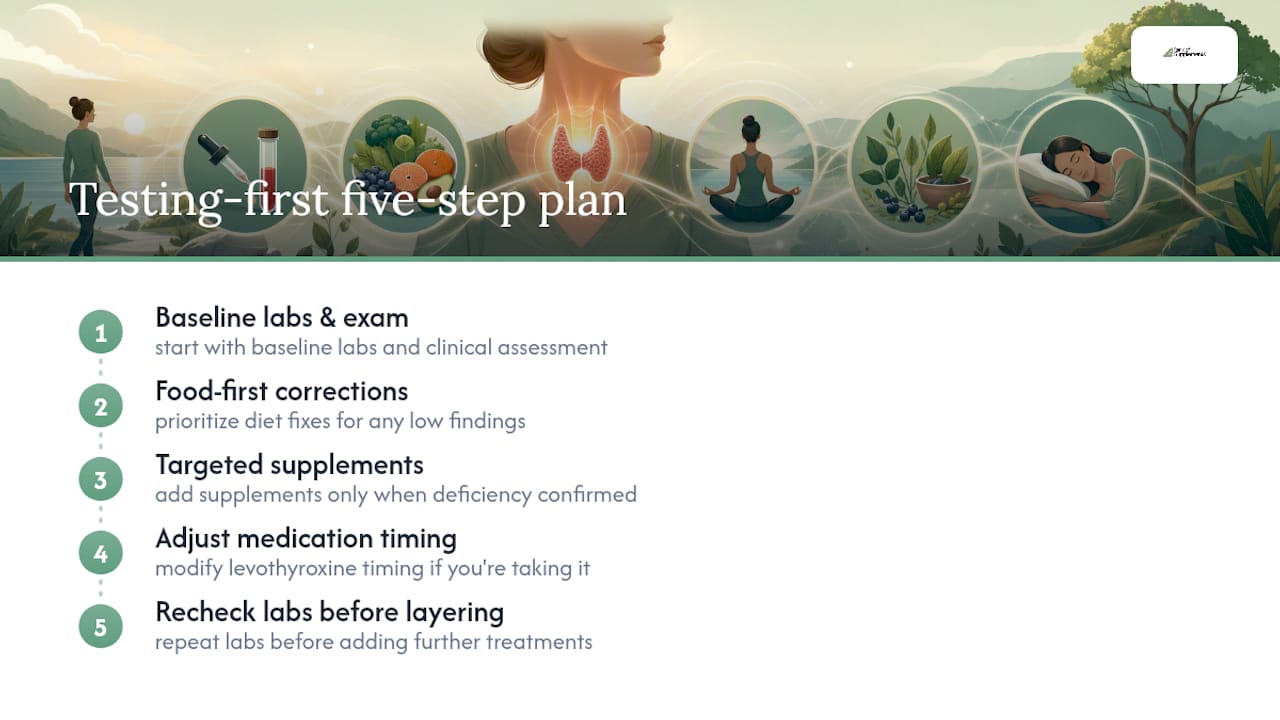
A workable sequence looks like this: start with baseline labs and a clinical assessment, prioritize food-first corrections for anything low, add a targeted supplement only when a deficiency is confirmed, adjust medication timing if you’re on levothyroxine, and recheck labs before layering on anything else. Skipping straight to supplementation without testing is how people end up with worse labs than when they started.
Rankofsupplements’ ingredient library is built for the “confirmed deficiency” step, giving dosing and safety context so you’re not guessing at upper limits. For anyone who has already tested low and gotten clinician sign-off, the best thyroid supplements guide narrows the field to vetted, third-party tested options. A related read, how to balance diet and supplements, walks through the food-first-then-supplement sequencing in more detail if you want the fuller version of this plan.
The Gut Connection Most Guides Skip
Your gut microbiome does more thyroid-adjacent work than most people realize. A meaningful share of T4 to T3 conversion happens outside the thyroid gland itself, and gut bacteria help facilitate that process along with nutrient absorption for iodine, selenium, iron, and zinc. A disrupted gut environment, from chronic antibiotic use, low fiber intake, or untreated dysbiosis, can blunt how efficiently you absorb the very nutrients your thyroid needs.
There’s also a two-way relationship with autoimmune thyroid conditions. People with Hashimoto’s frequently report co-occurring digestive issues, and increased intestinal permeability (sometimes called “leaky gut”) has been proposed as one contributor to autoimmune flare patterns, though the exact mechanism is still being studied rather than settled science.
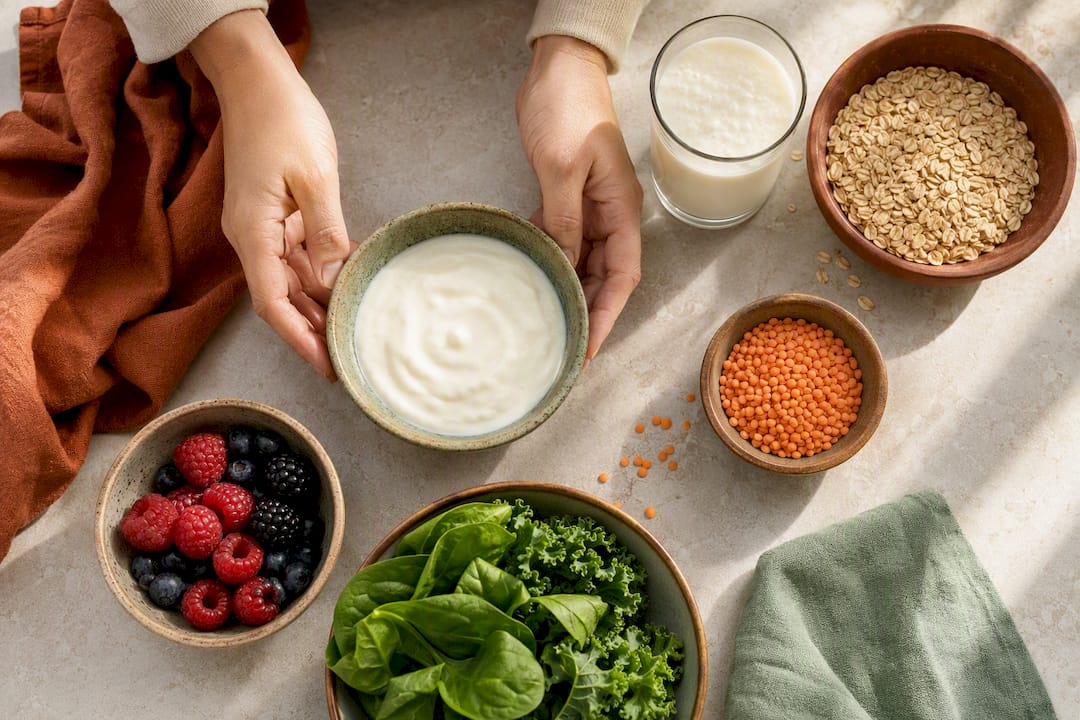
Practical steps beat theory here. A fiber-diverse diet, fermented foods like yogurt and kefir in moderate amounts, and minimizing unnecessary antibiotic courses all support a more resilient gut environment. Probiotic supplementation shows promise in early research but isn’t yet a substitute for the basics: fiber variety, whole foods, and avoiding chronic gut irritants. If you’re taking levothyroxine, remember that probiotics and fermented dairy count toward the same absorption-timing rules as calcium-rich foods, so keep that four-hour buffer.
Environmental Toxins Worth Actually Worrying About
Certain environmental chemicals interfere with thyroid hormone signaling at the receptor level, and a few are common enough in daily life to warrant real attention. Perchlorate, found in some water supplies and fertilizer runoff, competes with iodine for uptake into the thyroid gland. Certain phthalates and bisphenol A (BPA), found in plastic food containers and can linings, have been studied for their potential to disrupt hormone receptor signaling more broadly. Perfluorinated compounds (PFAS), used in nonstick coatings and stain-resistant fabrics, are persistent enough in the body that they’ve drawn regulatory scrutiny for endocrine effects.
None of this means panic. It means a few low-effort swaps:
- Filter tap water if your municipal supply has known perchlorate or PFAS issues.
- Store food in glass or stainless steel instead of plastic, especially for anything hot.
- Choose fragrance-free personal care products where possible; some fragrance compounds contain phthalates.
- Avoid microwaving food in plastic containers, heat accelerates chemical leaching.
These changes won’t reverse an existing thyroid condition, but reducing chronic low-dose exposure is a reasonable precaution while researchers continue to sort out dose-response relationships in humans.
Adaptogens and Natural Compounds: What Holds Up
Ashwagandha is the most studied adaptogen in thyroid contexts, with some small trials suggesting it may support TSH and T4 levels in people with subclinical hypothyroidism. The evidence base is still thin compared to something like the exercise research, and it’s not a substitute for levothyroxine in diagnosed hypothyroidism.
Other commonly marketed options have weaker support. Ashwagandha’s cousin, Withania root extracts sold under various brand names, essentially represent the same compound with inconsistent standardization among products. Guggul, an Ayurvedic resin extract, has some older animal research suggesting thyroid-stimulating effects, but human data is sparse and quality control across guggul products varies widely. Bladderwrack, a seaweed-derived ingredient sometimes marketed for thyroid support, carries the same high-iodine risk profile as kelp and should be treated with the same caution.
The honest takeaway: if you want to explore an adaptogen, ashwagandha has the most legitimate research behind it, but treat it as an experiment to discuss with your clinician, not a replacement for testing or medication. Choose a single-ingredient product with third-party verification rather than a proprietary “thyroid support” blend that hides its actual dosing.
What I’d Actually Tell a Friend
Diet and lifestyle changes are real, useful levers, but they’re adjuncts, not replacements for indicated medical treatment when your labs call for medication. If you’re already on levothyroxine and still feel off, try a focused timing trial first: separate your dose from coffee, calcium, and iron by a full hour or more, document it for a few weeks, then retest. Absorption problems get blamed on “thyroid issues” more often than they should. Coordinate every change with your clinician, and use a resource like Rankofsupplements to sort real evidence from marketing before you spend money on anything.
— matteo
Check Ingredients Before You Buy, Not After
Rankofsupplements exists for the exact moment you’re standing in a supplement aisle (or a browser tab) trying to figure out if a “thyroid support” blend is worth your money or a waste of it. The ingredient library breaks down safe dosing ranges, upper limits, and known lab-interference risks for the nutrients covered in this article, iodine, selenium, zinc, biotin, so you can check a product against real numbers before checkout instead of after a disappointing lab result.
If you’ve already tested low on something specific and gotten the green light from a clinician, the best thyroid supplements page narrows the field to third-party tested, single-ingredient options rather than proprietary blends with vague labeling. Start there: look up the nutrient your labs flagged, confirm the dosing matches what your clinician recommended, and pick a product that’s actually been verified.
Sources
- Hypothyroidism diet: Can certain foods increase thyroid function? — Mayo Clinic
- Healthy eating for your thyroid — Washington University in St. Louis (WashU)
- The role of nutrition on thyroid health and disease: myths and facts — Journal of Endocrinological Investigation
- Diets and supplements for thyroid disorders — British Thyroid Foundation
FAQ
How can I get my thyroid levels back to normal?
Get baseline labs, correct any confirmed nutrient deficiencies through food first, follow your clinician’s medication guidance precisely, and recheck labs every six to twelve weeks after any change.
What are the three superfoods for thyroid health?
Seafood (iodine and selenium), Brazil nuts (selenium), and eggs (iodine, selenium, and vitamin D) cover the most thyroid-relevant nutrients in whole-food form.
What drink is good for your thyroid?
Plain water and low-fat milk fortified with vitamin D support thyroid health best; there’s no special “thyroid tea” with meaningful clinical backing, and high-dose herbal thyroid teas can carry the same iodine-excess risks as kelp supplements.
What are signs that your thyroid is messed up?
Unexplained fatigue, weight changes, hair thinning, cold or heat intolerance, and irregular heart rate are common signs, and any of them warrant a TSH and free T4 test rather than guesswork.