
TL;DR:
- Supplements improve hair health only when they correct specific nutritional deficiencies, such as iron, vitamin D, and zinc.
- Before supplementing, testing with blood work is essential to identify actual gaps, ensuring targeted and effective treatment.
Supplements improve hair health by correcting specific nutritional deficiencies, not by flooding your body with megadoses of trendy ingredients. The clinical term for this approach is targeted micronutrient repletion, and it works when you know which nutrients your body actually lacks. Nutrients like iron (measured as serum ferritin), vitamin D, and zinc are the most documented drivers of hair shedding when deficient. Correcting these deficiencies typically reduces shedding within 3 to 6 months. Supplements like Nutrafol and Viviscal have built clinical reputations precisely because they target these documented gaps rather than guessing. If you want to know how to boost hair health with supplements in a way that actually works, the answer starts with a blood test, not a shopping cart.
How to boost hair health with supplements: the essential nutrients
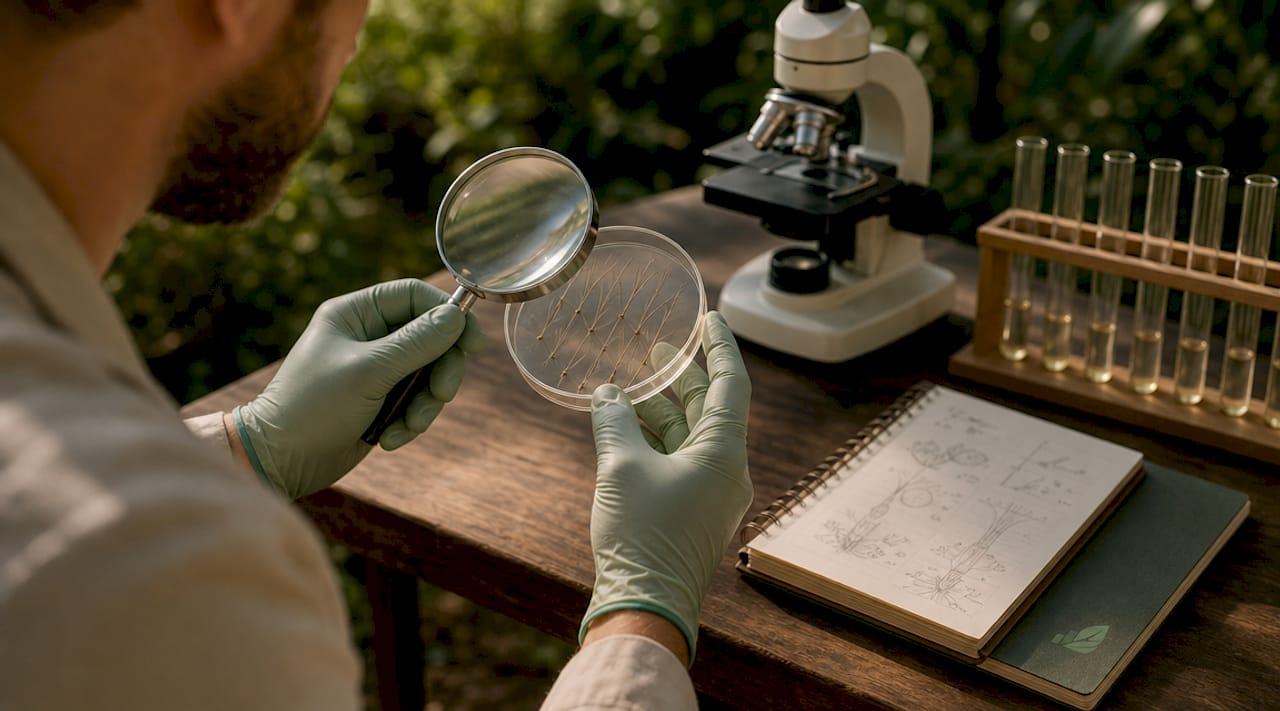
Hair follicles are among the most metabolically active structures in the human body. They demand a constant, precise supply of micronutrients to complete each growth cycle. When that supply drops below a functional threshold, follicles shift prematurely into the resting phase, and shedding follows.
Iron and ferritin: the most underdiagnosed driver
Iron deficiency is the single most common nutritional cause of hair loss in women. The catch is that standard lab ranges are misleading. A ferritin level of 15 ng/mL may read as “normal” on a routine blood panel, but dermatologists target 50 to 70 ng/mL specifically for hair health. That gap between “normal” and “optimal for hair” is where most people get stuck. They receive a normal result, stop investigating, and continue losing hair without understanding why.
Vitamin C plays a direct supporting role here. It converts non-heme iron (the plant-based form) into a more absorbable state. Taking an iron supplement without vitamin C, or eating iron-rich foods without an acidic food pairing, reduces absorption significantly.
Vitamin D: follicle cycling and widespread deficiency
Vitamin D receptors sit directly on hair follicle cells. When vitamin D levels fall, follicle cycling slows. Vitamin D deficiency is common, and correcting it with doses of 2,000 to 5,000 IU daily can improve hair thinning, particularly when used alongside topical minoxidil. That combination matters: vitamin D alone rarely reverses significant thinning, but it removes a documented barrier to follicle recovery.
Zinc, B vitamins, and omega-3 fatty acids
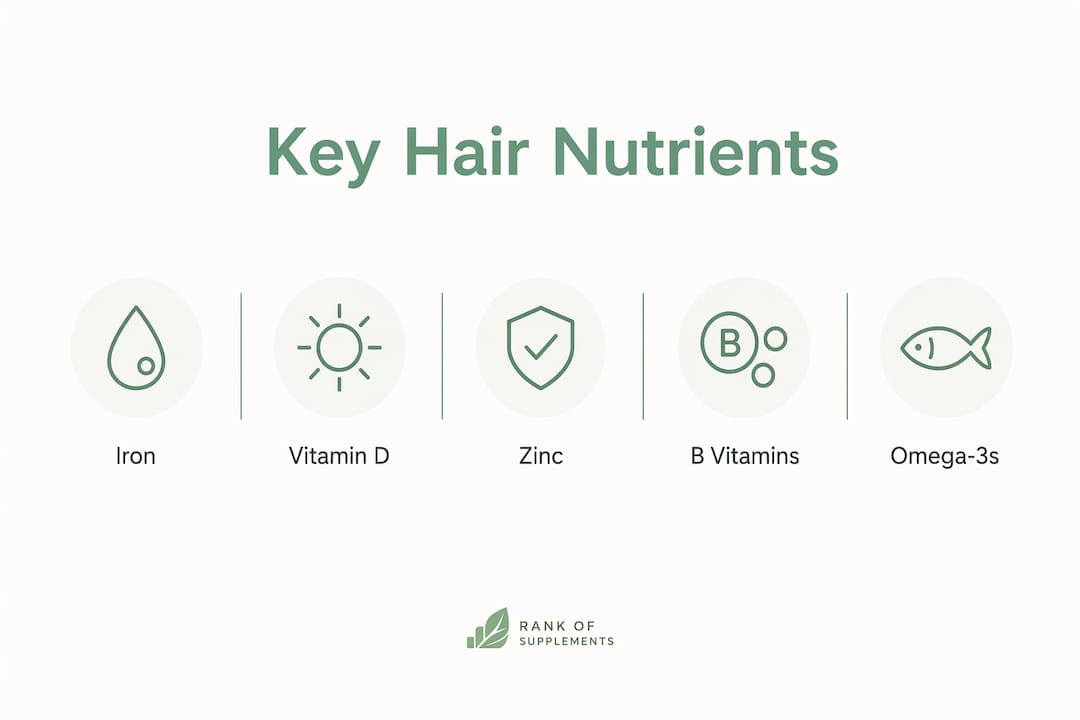
Zinc supports follicle cell division and tissue repair. Its therapeutic window is narrow. The recommended daily intake sits at 8 to 11 mg, and excess zinc causes hair loss rather than preventing it. This is one of the clearest examples of why “more is better” fails in hair supplementation.
B vitamins, including biotin, are frequently marketed for hair growth. The evidence is clear: biotin supplementation offers no benefit for people without a confirmed deficiency. Biotin deficiency itself is rare in healthy adults eating a varied diet. Omega-3 fatty acids from fish oil or flaxseed oil reduce scalp inflammation and support the lipid barrier around follicles, making them a reasonable addition when dietary fat intake is low.
Nutrient comparison: evidence strength at a glance
| Nutrient | Role in hair health | Evidence strength | Supplement needed if… |
|---|---|---|---|
| Iron (ferritin) | Supports follicle oxygenation and growth phase | Strong | Ferritin below 50 ng/mL |
| Vitamin D | Regulates follicle cycling | Strong | Serum level below 30 ng/mL |
| Zinc | Cell division and follicle repair | Moderate | Confirmed deficiency only |
| Biotin | Keratin synthesis | Weak (unless deficient) | Confirmed deficiency only |
| Omega-3 fatty acids | Reduces scalp inflammation | Moderate | Low dietary fat intake |
| Vitamin C | Enhances iron absorption | Supportive | Taken alongside iron |
Why you should test before you supplement
The principle is simple: test first, supplement second. Supplementing without confirmed deficiency wastes money at best and causes harm at worst. Supplements are supportive adjuncts, not cures, and their benefit depends entirely on whether a real deficiency exists.
Here is the recommended testing sequence before starting any hair supplement protocol:
- Serum ferritin, Request this specifically. A complete blood count (CBC) alone will not catch iron deficiency at hair-relevant thresholds.
- 25-hydroxyvitamin D, The standard marker for vitamin D status. Levels below 30 ng/mL indicate deficiency; below 20 ng/mL is severe.
- Serum zinc, Useful if your diet is low in animal protein or you follow a vegan or vegetarian eating pattern.
- Thyroid panel (TSH, free T3, free T4), Thyroid dysfunction, both hypothyroidism and hyperthyroidism, causes hair shedding that mimics nutritional deficiency. Missing this is a common diagnostic error.
- Complete blood count (CBC), Screens for anemia and broader systemic issues that affect hair follicle health.
Interpreting results requires hair-specific thresholds, not just standard lab reference ranges. Standard ferritin ranges are insufficient for guiding hair health decisions. Ask your provider to evaluate your results against hair-specific benchmarks, or consult a dermatologist who specializes in hair loss.
Pro Tip: If you are currently taking high-dose biotin, stop it 48 to 72 hours before any blood draw. High-dose biotin interferes with lab assays and can produce false readings for thyroid hormones and cardiac markers, leading to misdiagnosis.
People on GLP-1 receptor agonists like semaglutide or tirzepatide face a specific risk. Reduced food intake from these medications accelerates micronutrient depletion, particularly iron, vitamin D, zinc, and biotin, triggering telogen effluvium. Proactive nutritional screening is not optional for this group. The same applies to anyone on a restrictive diet or with a documented malabsorption condition like celiac disease or Crohn’s disease.
How to select and use supplements to nourish hair effectively
Once testing confirms a deficiency, supplement selection becomes straightforward. The goal is to correct the confirmed gap with an appropriate dose, monitor progress, and avoid stacking unnecessary products.
Choosing the right doses
For iron deficiency, ferrous sulfate or ferrous bisglycinate (a gentler form with fewer gastrointestinal side effects) at doses directed by your provider is the standard approach. Pair every iron dose with vitamin C to maximize absorption. For vitamin D, clinicians typically prescribe 2,000 to 5,000 IU daily depending on baseline serum levels, with retesting at 3 months to confirm correction.
Zinc should stay within the 8 to 11 mg daily range unless a physician supervises higher doses. Omega-3 supplementation through fish oil (providing at least 1,000 mg of combined EPA and DHA) is reasonable for most adults and carries a low risk profile.
Combination products: Viviscal and Nutrafol
Commercial combination supplements like Viviscal and Nutrafol are worth discussing because they appear frequently in clinical conversations. Both include active doses of several nutrients studied in deficiency contexts. Combination products may help when formulated around clinically relevant ingredients, but they work best when the nutrients they contain match your actual deficiencies. Buying Nutrafol when your ferritin is already optimal and your vitamin D is normal means paying a premium for ingredients your body does not need.
Pro Tip: Check the best hair loss supplements reviewed and ranked by Rankofsupplements before purchasing any combination product. Independent rankings cut through marketing claims and show you which products deliver on their ingredient promises.
Supplements alongside medical treatments
For genetic hair loss (androgenetic alopecia), supplements are supportive tools, not primary treatments. FDA-approved treatments like minoxidil and finasteride address follicle miniaturization more reliably than any supplement. Correcting vitamin D deficiency alongside topical minoxidil removes a nutritional barrier and may improve treatment response. The two approaches work together, not as substitutes for each other.
Consistency is non-negotiable. Hair grows approximately half an inch per month, and follicle recovery after nutrient correction takes time. Most people see measurable reduction in shedding within 3 to 6 months of correcting a confirmed deficiency. Expecting results in 4 weeks leads to abandoning a protocol that would have worked given more time. For a realistic timeline, the supplement results timeline guide at Rankofsupplements gives practical benchmarks.
Dietary support matters alongside supplementation. Prioritize protein intake (hair is made of keratin, a protein), include iron-rich foods like red meat, lentils, and spinach, and eat fatty fish twice weekly for natural omega-3s. Supplements fill gaps. They do not replace a nutritionally adequate diet.
Common mistakes that undermine hair supplement results
Most supplement failures trace back to a small set of predictable errors. Recognizing them before you start saves months of wasted effort.
- Supplementing without testing. Taking iron when your ferritin is already at 80 ng/mL does nothing for your hair and risks iron overload. The same logic applies to every nutrient on this list.
- Megadosing biotin. Biotin is the most over-marketed hair supplement ingredient. Without a confirmed deficiency, high doses provide no benefit and create real risks, including false lab test results for thyroid and cardiac markers.
- Exceeding safe zinc or vitamin A doses. Over-supplementation of vitamin A, selenium, or zinc worsens hair loss. This is a documented, dose-dependent effect. More is not better. It is actively harmful.
- Accepting “normal” lab results without hair-specific context. A ferritin of 18 ng/mL is technically within standard range but well below the 50 to 70 ng/mL threshold that supports hair health. Accepting a normal result without understanding the hair-specific threshold is a missed opportunity.
- Ignoring underlying medical causes. Hair follicles respond to systemic health stress, including thyroid dysfunction, hormonal shifts, and rapid weight loss. Supplementing around an undiagnosed thyroid condition will not stop the shedding.
When shedding persists despite correcting confirmed deficiencies, the next step is a referral to a dermatologist or trichologist. Persistent hair loss after 6 months of targeted supplementation warrants evaluation for androgenetic alopecia, alopecia areata, or hormonal causes that supplements cannot address.
Knowing when to escalate is part of the protocol. Supplements work within a defined biological scope. Recognizing the boundaries of that scope protects you from chasing a nutritional solution to a non-nutritional problem. For a structured starting point, the hair thinning supplement guide at Rankofsupplements covers evidence-based options organized by deficiency type.
Key takeaways
Supplements improve hair health only when they correct confirmed nutritional deficiencies, with iron, vitamin D, and zinc as the three most clinically supported targets.
| Point | Details |
|---|---|
| Test before supplementing | Run serum ferritin, 25-hydroxyvitamin D, and serum zinc before buying any hair supplement. |
| Use hair-specific thresholds | Target ferritin of 50 to 70 ng/mL, not just standard lab normal ranges. |
| Avoid biotin hype | Biotin supplements provide no benefit without confirmed deficiency and can distort lab results at high doses. |
| Expect a 3 to 6 month timeline | Follicle recovery after nutrient correction takes time; consistency determines outcomes. |
| Supplements support, not replace, medical care | For genetic hair loss, minoxidil or finasteride remains the primary treatment; supplements play an adjunct role. |
What I actually tell people who ask about hair supplements
People come to me expecting a supplement stack recommendation. What they get instead is a conversation about what their blood work says. That shift in framing changes everything.
The supplement industry has done a remarkable job convincing people that hair loss is a biotin problem. It almost never is. In my experience, the most common correctable cause of hair shedding in otherwise healthy adults is suboptimal ferritin, followed by vitamin D deficiency. Both are cheap to test and inexpensive to correct. Neither requires a premium combination product.
What I find genuinely interesting is the psychological dimension. People who start a supplement protocol, even a well-designed one, often report feeling better about their hair within weeks. The biological changes have not happened yet. The follicle recovery timeline is 3 to 6 months minimum. But the act of doing something concrete, based on real data, reduces the anxiety that makes hair loss feel worse than it is. That psychological relief is not nothing. It keeps people consistent long enough for the biology to catch up.
The uncomfortable truth is that supplements cannot overcome genetic or hormonal hair loss mechanisms. If your father and grandfather both lost their hair, no amount of zinc or omega-3s will change your follicle sensitivity to DHT. What supplements can do is remove every correctable barrier so that your follicles operate at their biological best. That is a meaningful goal. It is just not the same as a cure.
My advice: get tested, correct what is actually low, be consistent for 6 months, and evaluate honestly. If shedding continues, escalate to a dermatologist rather than adding more supplements. Holistic hair health requires looking at nutrient intake, absorption, systemic health, and lifestyle together. No single capsule covers all of that.
matteo
Find the right hair supplements with Rankofsupplements
Choosing the right supplement for hair health means cutting through a crowded market where most products are built on marketing rather than evidence. Rankofsupplements does that filtering for you. The platform’s supplement ingredient library breaks down every major hair health ingredient by mechanism, dose, and evidence quality, so you know exactly what you are buying before you spend a dollar. For ranked product recommendations targeting iron, vitamin D, zinc, and combination hair formulas, the top-rated supplement reviews give you independent analysis grounded in clinical data. Stop guessing. Start with what the evidence actually supports.
FAQ
What supplements actually work for hair growth?
Iron, vitamin D, and zinc are the three nutrients with the strongest clinical evidence for hair health, but only when correcting a confirmed deficiency. Biotin and collagen have weak evidence for people without documented deficiency.
How long before supplements improve hair thickness?
Most people see measurable reduction in shedding within 3 to 6 months of correcting a confirmed nutritional deficiency. Visible improvements in thickness typically follow at the 6-month mark.
Can too many supplements cause hair loss?
Yes. Over-supplementation of vitamin A, selenium, and zinc causes hair loss rather than preventing it. Zinc above 11 mg daily without medical supervision is a documented risk.
Is biotin worth taking for hair health?
Biotin is only worth taking if you have a confirmed deficiency, which is rare in healthy adults. High-dose biotin without deficiency provides no hair benefit and can produce false results on thyroid and cardiac lab tests.
Do I need a doctor before starting hair supplements?
Testing through a physician or dermatologist is strongly recommended before starting iron or vitamin D supplementation. Self-diagnosing and supplementing without confirmed deficiency risks toxicity and misses underlying medical causes of hair loss.
Recommended
- Related article: How Long Does It Take for Hair Supplements to Work?
- Top list: Best Hair Loss Supplements 2026
- Product guide: Best Supplements for Hair Thinning and Loss
- Condition guide: Supplements by Health Goal and Condition