The most practical examples of natural fat burners include green tea (EGCG), caffeine, capsaicin from chili peppers, glucomannan fiber, high-protein foods, high-fiber foods, ginger, turmeric, green coffee bean extract, and cinnamon. Every one of them shows some clinical signal, but the FDA has banned ephedrine-based products outright due to stroke and heart-attack risk, and the NHS advises that sustainable fat loss comes from a modest calorie deficit, not supplements. Rankofsupplements reviews each ingredient’s evidence and dosing so you can decide what, if anything, is worth adding to your routine. Treat these ingredients as adjuncts to diet and movement, and expect small, short-term effects at best.
Key Takeaways
Green tea, caffeine, capsaicin, glucomannan, and high-protein foods have the strongest clinical signals among natural fat burners, but all effects are modest and work only alongside a calorie deficit.
| Point | Details |
|---|---|
| Strongest evidence tier | Caffeine, EGCG, capsaicin, glucomannan, and high-protein foods show the most consistent clinical signals. |
| Dosing matters | Effective trial doses often exceed culinary amounts; ginger trials used 480 mg/day of standardized extract. |
| Safety first | FDA banned ephedrine; some products contain hidden stimulants like BMPEA. Check for third-party testing seals. |
| Lifestyle does the heavy lifting | NHS guidance targets 0.5 to 1 kg per week through calorie deficit and behavior change, not supplements. |
| Rankofsupplements resource | The ingredient library at Rankofsupplements lets you verify dosing, standardization, and testing status before buying. |
Table of Contents
- 10 examples of natural fat burners ranked by evidence
- How strong is the evidence really?
- Safety warnings you should not skip
- How to try these ingredients responsibly
- Diet, sleep, and movement do most of the work
- Where Rankofsupplements covers this in depth
- An editorial perspective on natural fat burners
- Rankofsupplements makes the evidence easier to act on
- Sources
- FAQ
10 examples of natural fat burners ranked by evidence
The entries below move roughly from stronger to weaker evidence. Each carries an evidence label and, where clinical data exist, a dosage note.
1. Green tea / EGCG
Green tea’s catechin EGCG, combined with its natural caffeine, modestly raises fat oxidation and resting energy expenditure. Trials typically use 270 to 600 mg EGCG daily alongside 100 to 400 mg caffeine. Evidence strength: moderate. Whole brewed tea delivers far less than capsule doses used in studies, so effects from a daily cup are real but small.

2. Caffeine (coffee)
Caffeine is the most studied natural metabolic stimulant. Short-term, it raises calorie burn and suppresses appetite, with research doses ranging from 100 to 400 mg per day. Evidence strength: strong for short-term thermogenesis; limited for long-term fat loss because tolerance builds within weeks. Cardiovascular sensitivity varies widely, which matters for anyone with high blood pressure.
3. Capsaicin (chili peppers / cayenne)
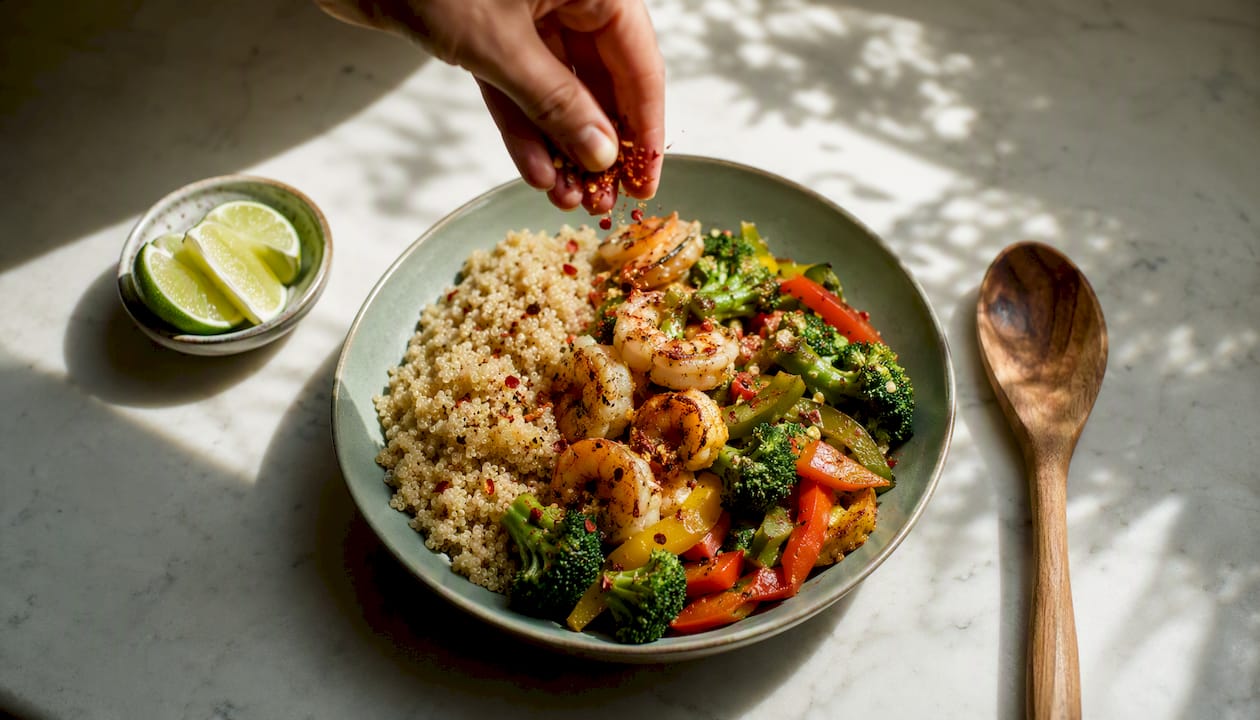
Capsaicin triggers thermogenesis and briefly reduces appetite by activating TRPV1 receptors. Effect sizes in trials are real but modest: a temporary uptick in calorie burn lasting 30 to 60 minutes post-meal. Foods like chili peppers are among the most practical metabolism-supporting choices because they add flavor without extra calories. Evidence strength: moderate.
4. Glucomannan (konjac fiber)
Glucomannan is a viscous soluble fiber that expands in the stomach, slowing gastric emptying and reducing hunger. Clinical trials typically use 3 to 4 g per day taken with water before meals. Evidence strength: moderate for satiety; limited for fat loss as a standalone. It works best when it displaces calorie-dense foods rather than being added on top of an unchanged diet.
5. High-protein foods
Lean meats, Greek yogurt, eggs, and legumes raise the thermic effect of food (TEF) more than carbohydrates or fat. Protein digestion burns roughly 20, 30% of its own calories, versus 5 to 10% for carbs. Greek yogurt, legumes, and similar whole foods also support satiety for hours. Evidence strength: strong. This is the one category where the lifestyle effect and the metabolic effect are essentially the same thing.
6. High-fiber foods (oats, legumes, vegetables)
Fiber slows digestion, blunts blood sugar spikes, and feeds gut bacteria linked to healthier body composition. Oats, lentils, broccoli, and berries are practical daily sources. Legumes and oatmeal appear consistently in metabolism-supporting food lists. Evidence strength: strong for satiety and weight management when fiber displaces lower-nutrient calories.
7. Ginger
A 12-week randomized, double-blind, placebo-controlled trial of steamed ginger extract standardized to 1-dehydro-6-gingerdione at 480 mg/day reported significant reductions in body fat percentage, body weight, and BMI versus placebo in overweight adults. Culinary ginger in tea or cooking delivers far smaller pharmacologic levels. Evidence strength: moderate (standardized extract); limited (culinary use).
8. Turmeric / curcumin
Curcumin has anti-inflammatory and possible metabolic effects, but its bioavailability is poor without piperine (black pepper extract). Herbs and spices including turmeric show mechanistic signals in small trials, though effective doses are consistently higher than culinary amounts. Evidence strength: limited. Standardized curcumin extracts with piperine are the only form likely to reach meaningful plasma levels.
9. Green coffee bean extract (chlorogenic acid)
Chlorogenic acid may slow glucose absorption and modestly reduce fat accumulation. Short-term trials show small reductions in body weight, but most studies are brief and industry-funded. WebMD’s herbal supplement overview notes variable evidence and safety profiles across this category. Evidence strength: limited.
10. Cinnamon
Cinnamon may improve insulin sensitivity and reduce post-meal blood sugar spikes, which could indirectly support weight management. The mechanistic data are plausible, but human fat-loss trials are small and short. Evidence strength: weak for direct fat loss; limited for glycemic support. Cassia cinnamon (the common grocery store variety) contains coumarin, which can stress the liver in large daily doses.
How strong is the evidence really?
Most ingredient effects are modest and short-lived. “Small” in this context means a fraction of a pound of fat over several weeks, not the dramatic results supplement marketing implies. The NHS recommends aiming for 0.5 to 1 kg (1 to 2 lb) per week through calorie deficit and behavior change. A natural ingredient adding a few dozen extra calories burned per day contributes a tiny fraction of that.
Common trial limitations worth knowing:
- Small sample sizes (often fewer than 50 participants)
- Short durations (4 to 12 weeks), which miss tolerance and rebound effects
- Heterogeneous extracts that make dose comparisons unreliable
- Lack of blinding or placebo controls in older studies
- Poor bioavailability data, especially for curcumin and chlorogenic acid
Preclinical research on multi-herb formulas, such as the Gegen Huazhuo Tang six-herb combination, shows interesting mechanisms including white-fat browning and lipid lowering, but human translation remains incomplete. Mechanistic promise in a cell study rarely survives the translation to a clinical trial.
Safety warnings you should not skip
UF Health’s clinical review documents that some products labeled as natural fat burners have contained BMPEA (a stimulant found in Acacia rigidula products) and DMBA/DMMA, both carrying cardiovascular risks. The FDA banned ephedrine-containing supplements after linking them to strokes and heart attacks.
Red flags on any fat-burner label: proprietary blends that hide individual ingredient amounts; claims of “reliable” or “rapid” fat loss; stimulant-sounding terms like “geranium extract” or “dendrobium”; no third-party testing seal (NSF, USP, or Informed Sport).
Who should consult a clinician before trying any concentrated extract:
- Pregnant or breastfeeding individuals
- Anyone with cardiovascular disease or high blood pressure
- People on blood thinners, diabetes medications, or MAOIs
- Those with stimulant sensitivity (anxiety, arrhythmia history)
High-concentration botanical extracts can behave like drugs. Standardization to a marker compound (like 1-dehydro-6-gingerdione in the ginger trial) is what makes a result reproducible. Without it, you are essentially guessing at dose.
How to try these ingredients responsibly
- Confirm your baseline. Note current weight, any medications, and relevant health conditions before starting anything.
- Choose one ingredient at a time. Stacking makes it impossible to know what is working or causing side effects.
- Match trial dosages. For ginger, the clinical dose is 480 mg/day of a standardized extract. For caffeine, research uses 100 to 400 mg/day. For glucomannan, 3 to 4 g before meals. See the supplement dosage workflow for a structured approach.
- Track for 8 to 12 weeks. Measure body weight and note any side effects weekly. If nothing measurable changes, the ingredient is not adding value for you.
- Start with whole foods first. Green tea, chili peppers, oats, and Greek yogurt deliver real food benefits alongside any metabolic effect.
Pro Tip: When moving to concentrated extracts, look for a standardized marker compound on the label and a third-party testing seal. A product without both is a guess, not a supplement.
For gender-specific considerations, the thermogenic fat burner evidence for women covers how hormonal context changes the picture.
Diet, sleep, and movement do most of the work
No ingredient on this list produces meaningful fat loss without a calorie deficit. NHS guidance and US clinical nutrition consensus both point to the same core behaviors: modest calorie reduction, adequate protein and fiber, consistent movement, and 7 to 9 hours of sleep per night.
Behavioral tactics with the strongest evidence base:
- Eat protein at breakfast (eggs, Greek yogurt) to reduce mid-morning hunger
- Use smaller plates to reduce portion size without tracking calories
- Prioritize 7 to 9 hours of sleep; sleep deprivation raises ghrelin and undermines fat loss
- Add resistance training twice a week to preserve muscle during a deficit
- If you hit a stall, strategies to break through a weight-loss plateau are worth reviewing before adding a supplement
A realistic pace of 0.5 to 1 kg per week means a natural ingredient adding 50 to 100 extra calories burned daily is a small but potentially useful edge, not a solution on its own.
Where Rankofsupplements covers this in depth
Rankofsupplements evaluates ingredients against clinical trial data, checks standardization, and flags third-party testing status. Four resources worth bookmarking:
- Related article: Why use fat burners: evidence-based guide covers when supplements are worth considering versus when they are not
- Top list: Best supplements for weight management ranks products by evidence tier
- Product review: Fat Burn Active review shows the site’s methodology applied to a specific product
- Ingredient library: Rankofsupplements ingredient pages let you check any ingredient’s dosing, marker compounds, and testing status before buying
An editorial perspective on natural fat burners
The gap between what the supplement industry markets and what clinical trials actually show is wider than most people realize. The ingredients covered here are real. The effects are real. But “real” and “meaningful without lifestyle change” are not the same thing. Caffeine is essentially a mild stimulant that most people already consume daily, and tolerance erases most of its metabolic benefit within weeks. Ginger extract at 480 mg/day produced statistically significant results in a controlled trial, but that is a standardized pharmaceutical-grade extract, not the ginger you slice into a stir-fry.
The more useful frame is this: natural metabolic ingredients work best when they reinforce behaviors you are already doing. Green tea instead of a sugary drink. Chili peppers on a protein-rich meal. Glucomannan before a meal you know tends to run large. That is a different proposition than taking a capsule and expecting it to compensate for a calorie surplus.
Rankofsupplements makes the evidence easier to act on
Sorting through ingredient research takes time most people do not have. Rankofsupplements cuts that work down by applying a consistent evidence-ranking framework to every ingredient and product it covers, so you can see at a glance whether a dose is trial-backed, whether the extract is standardized, and whether a product has passed third-party testing.
The ingredient library is the fastest starting point: search any ingredient from this article, check the clinical dose range, and see which products actually hit it. For a curated shortlist, the weight-management supplement rankings apply the same framework across dozens of products. Rankofsupplements earns affiliate commissions on purchases made through its links, which funds the research without changing the editorial conclusions. Start with the ingredient library before buying anything.
Sources
- Tips to help you lose weight - NHS
- Herbal Remedies and Supplements for Weight Loss - UF Health
- Efficacy and Safety of Steamed Ginger Extract for Body Weight and Body Fat Reduction in Overweight Adults - MDPI
- Fat-Fighting Foods : Blueberries, Green Tea, and More - WebMD
- 12 metabolism-boosting foods to aid weight loss - UnityPoint
This article is for general information only and is not a substitute for medical advice. Consult a qualified clinician before starting any supplement, especially if you take medications or have a health condition.
FAQ
What is the most effective natural fat burner?
Caffeine and EGCG from green tea have the strongest short-term evidence for raising calorie burn, but effects are modest and tolerance to caffeine builds within weeks. High-protein foods produce a sustained thermic effect that rivals most supplements without the cardiovascular risk.
What supports metabolism most naturally?
A calorie deficit supported by protein-rich meals, high-fiber foods, and consistent movement produces the most reliable fat loss. Ingredients like capsaicin and glucomannan can support satiety at the margins, but no single food or herb replaces the deficit.
How can I mimic Ozempic naturally?
Glucomannan fiber (3 to 4 g before meals) slows gastric emptying and reduces hunger through a mechanism that partially overlaps with GLP-1 receptor effects, though the magnitude is much smaller. High-protein, high-fiber meals also blunt appetite hormones. Neither approach matches the clinical effect size of a prescription GLP-1 medication.
What is the best homemade fat-burner approach?
Brew green tea (2 to 3 cups daily), add chili peppers or cayenne to meals, prioritize protein and fiber at every meal, and track calories for 8 to 12 weeks. This whole-food approach delivers the ingredients with the best evidence at safe, natural doses before considering any concentrated extract.