
TL;DR:
- Herbal supplements vary in formulation, standardization, and evidence, requiring careful label reading before use.
- Matching herbs to your health goals and consulting professionals ensures safe, effective supplementation.
If you’re looking at examples of herbal supplements and trying to figure out which ones actually belong in your routine, you’re not alone. The market offers hundreds of options, ranging from ashwagandha capsules to chamomile teas, each backed by varying degrees of science and centuries of traditional use. The challenge is cutting through the noise. This guide profiles the most popular herbal supplements, explains what they’re actually used for, how they’re formulated, and what you need to know before spending money on any of them.
Table of Contents
- Key takeaways
- Examples of herbal supplements and how to evaluate them
- 1. Ashwagandha
- 2. Chamomile
- 3. Echinacea
- 4. Garlic
- 5. Ginger
- 6. Ginkgo biloba
- 7. Ginseng
- 8. Lavender
- 9. St. John’s Wort
- 10. Turmeric
- Comparing supplement formulations: what to look for
- How to choose the right herbal supplement for your goals
- My take on navigating the herbal supplement market
- Make your next supplement decision with better information
- FAQ
Key takeaways
| Point | Details |
|---|---|
| Form affects your experience | Capsules offer consistent dosing; teas and tinctures offer flexibility but less precision. |
| FDA does not approve herbs as drugs | Herbal supplements cannot legally claim to treat or cure disease, so scrutinize health claims carefully. |
| Top herbs serve distinct goals | Ashwagandha targets stress, echinacea targets immunity, turmeric targets inflammation. Match the herb to your goal. |
| Standardization matters more than brand | Look for standardized extracts with labeled active compound percentages to compare products accurately. |
| Always tell your doctor | Sharing your full supplement list with a clinician helps prevent dangerous herb-drug interactions. |
Examples of herbal supplements and how to evaluate them
Before you buy anything, you need a framework. Herbal supplements come in forms including capsules, softgels, loose-leaf teas, liquid tinctures, and powders. Each has trade-offs worth understanding.
Capsules and softgels give you a standardized dose in a consistent serving size. This is the most reliable form for hitting a specific milligram target. Tinctures are concentrated liquid extracts, typically alcohol-based, and absorb quickly. They are more flexible in dosing but require careful measurement. Teas are the most traditional delivery method, easy to prepare and pleasant to consume, but the active compound concentration varies significantly batch to batch. Powders can be blended into food or drinks and often work well for herbs like ashwagandha and turmeric where large serving sizes are common.
When reading a supplement label, look for these specifics:
- The standardized extract percentage (e.g. “standardized to 5% withanolides” for ashwagandha)
- The serving size and number of servings per container
- A full ingredient list, including any fillers or excipients
- Third-party testing seals from organizations like USP, NSF, or Informed Sport
- Any warnings about contraindications, drug interactions, or population-specific cautions
Pro Tip: If a label lists only “proprietary blend” without individual ingredient amounts, that is a red flag. You cannot verify that any single herb is present at a meaningful dose.
The FDA classifies dietary supplements as food products, not drugs. That means manufacturers do not need to prove efficacy before selling their products. Pregnant women, people on prescription medications, and anyone with a chronic condition should consult a physician before starting any herbal supplement. Herb-drug interactions are real and documented. Supplement labels often include warnings about avoiding certain herbs during pregnancy or when on sedatives, which most buyers skip over entirely.
1. Ashwagandha
Ashwagandha (Withania somnifera) is one of the most studied adaptogens in the herbal world. Traditional Ayurvedic medicine has used it for centuries to manage stress and fatigue. Modern research has focused primarily on its effect on cortisol levels and perceived stress scores in clinical trials.
You’ll find it most commonly in capsule and powder form. Typical doses in studies range from 300 mg to 600 mg of standardized root extract daily. Look for products standardized to withanolides, the active compounds thought to drive its effects. Powders work well stirred into warm milk or smoothies, following a traditional preparation method called “ashwagandha latte.”
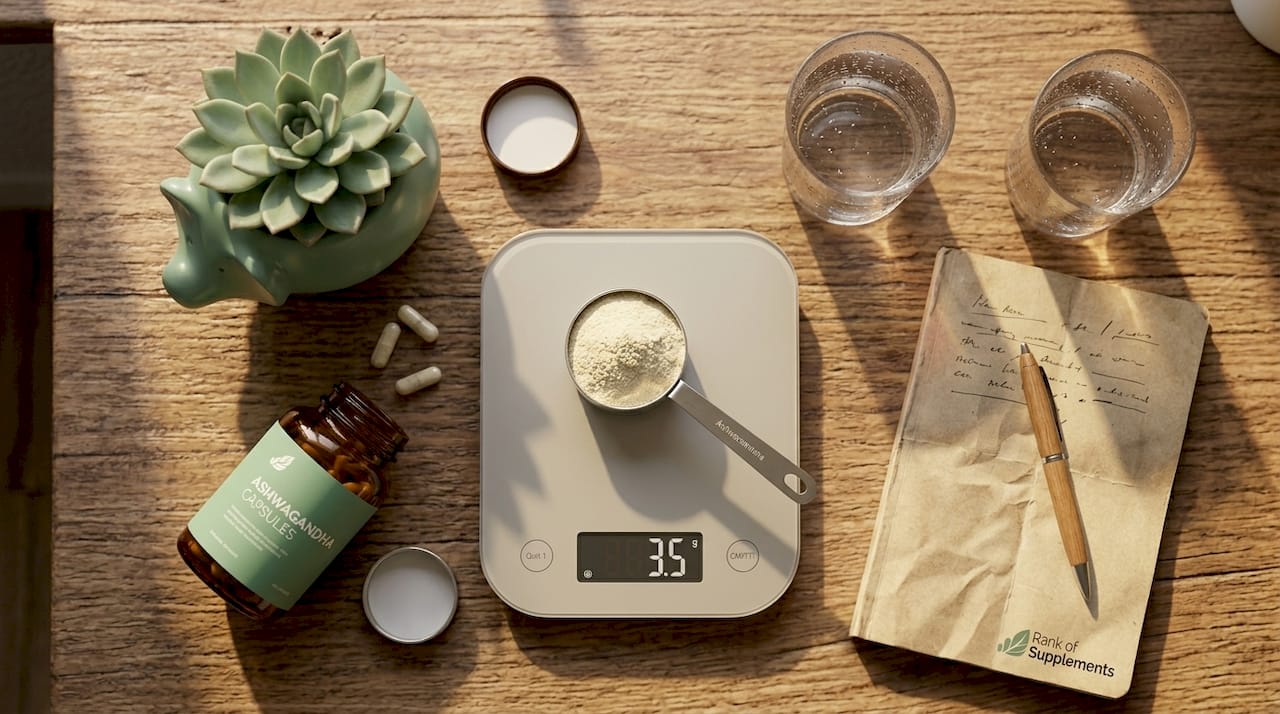
One caution worth noting: ashwagandha can interact with thyroid medications and immunosuppressants. If you take either, this is a non-negotiable conversation to have with your doctor before starting.
2. Chamomile
Chamomile is one of the oldest and most recognizable herbal remedy examples in existence. Most people encounter it as a bedtime tea, and that use is well-founded. It contains apigenin, a flavonoid that binds to benzodiazepine receptors in the brain, producing a mild sedative effect.
Beyond sleep, chamomile has documented anti-inflammatory and antispasmodic properties. It is used topically in creams and ointments to soothe irritated skin and reduce redness. In supplement form, you’ll find chamomile in capsules and standardized extracts. The tea form remains the most accessible and widely used option for relaxation and digestive comfort. Chamomile is generally well-tolerated, though people with ragweed allergies should use it cautiously because of cross-reactivity.
3. Echinacea
Echinacea is a go-to among popular herbal supplements for immune support, particularly at the onset of cold symptoms. The three most commonly used species are Echinacea purpurea, E. angustifolia, and E. pallida, and they do not behave identically. Product labels should specify which species you’re getting.
It’s available as teas, capsules, and liquid tinctures. Short-term use at the start of illness is the most common and studied application. Evidence for preventing illness through long-term daily use is weaker. Avoid echinacea if you have an autoimmune condition, as it stimulates immune activity in ways that could be counterproductive.
4. Garlic
Garlic (Allium sativum) sits at the intersection of food and medicine. Its cardiovascular applications are the best studied, with evidence pointing to modest reductions in blood pressure and LDL cholesterol with regular use. The active compound allicin is responsible for most of garlic’s biological activity, but it is also what causes the characteristic odor.
Odorless garlic capsules use aged garlic extract, which preserves many benefits with less of the smell. Garlic oil capsules are another common form. Whole cloves consumed raw or cooked count as food, not supplements, but the boundary is fuzzy. The key caution here: garlic significantly thins the blood, so anyone on anticoagulants like warfarin needs to be careful about supplemental doses.
5. Ginger
Ginger (Zingiber officinale) has one of the strongest evidence bases for nausea relief of any herbal supplement. Studies have shown benefit in pregnancy-related nausea, chemotherapy-induced nausea, and post-operative nausea. It is available as capsules, teas, candied root, and fresh root for cooking.
Its anti-inflammatory properties have also attracted research interest, particularly for osteoarthritis pain management. Ginger works on similar biological pathways as NSAIDs, though with lower potency. For anti-nausea use, 1 gram of powdered ginger per day is a commonly studied dose. Like garlic, high supplemental doses can affect blood clotting, so let your physician know if you use it regularly.
6. Ginkgo biloba
Ginkgo is one of the top herbal supplements specifically marketed for cognitive support. It’s derived from one of the oldest tree species on Earth and has been used in traditional Chinese medicine for lung and brain conditions for centuries.
The active compounds are ginkgo flavone glycosides and terpene lactones. Quality products are standardized to 24% flavonol glycosides and 6% terpene lactones. Evidence for memory enhancement in healthy adults is modest at best. The stronger evidence supports its use for symptoms of dementia and circulation disorders in the legs. Harvard Health has cautioned consumers that many brain health supplements, including ginkgo products, carry variable ingredient accuracy and often overpromise results. Ginkgo also has meaningful interactions with blood thinners, aspirin, and antidepressants.
7. Ginseng
There are two primary forms of ginseng used in herbal supplements for health: Asian ginseng (Panax ginseng) and American ginseng (Panax quinquefolius). They are not interchangeable. Asian ginseng is considered more stimulating; American ginseng is associated with a calming energy effect.
Both are used for physical endurance, mental performance, and general vitality. Ginseng is commonly found in capsules, powders, and as a key ingredient in energy blends. Dosing ranges widely across products. The phrase “adaptogen” applies here as well, since ginseng is said to help the body resist physical and mental stress. For best results, look for products with a ginsenoside percentage listed on the label, as this is the active compound class researchers study.
8. Lavender
Most people associate lavender with aromatherapy, but oral lavender supplements have a growing body of evidence behind them. A specific oral lavender oil preparation called Silexan (80 mg daily) has been studied in randomized controlled trials for generalized anxiety disorder with positive results.
Topically, lavender is widely used in creams and massage oils for tension relief and wound care. As an aromatherapy product, lavender essential oil is diffused or applied to pulse points for stress and sleep support. The oral supplement form is less commonly discussed in general wellness circles, which is partly why Silexan remains a notable and underutilized option for people dealing with mild to moderate anxiety who prefer not to start prescription medication.
9. St. John’s Wort
St. John’s Wort (Hypericum perforatum) is probably the most pharmacologically active herbal supplement on this list in terms of drug interactions. It is one of the most studied herbal supplements for wellness purposes, specifically for mild to moderate depression. Evidence from meta-analyses suggests it outperforms placebo for mild depression and performs comparably to some antidepressants in short-term trials.
The problem is its interactions. St. John’s Wort activates liver enzymes that metabolize many drugs, including birth control pills, HIV medications, and warfarin. Taking it can dramatically reduce the effectiveness of these medications. This is not an herb to self-prescribe if you take anything else regularly. Discussed openly with a psychiatrist or primary care physician, it can be a reasonable herbal remedy example for mild mood concerns in otherwise healthy, unmedicated adults.
10. Turmeric
Turmeric (Curcuma longa) has become one of the most commercially visible herbal supplements for health in recent years. Curcumin, its primary active compound, has documented anti-inflammatory and antioxidant activity in laboratory research. The translation to clinical outcomes in humans is more nuanced.
The main barrier to turmeric’s effectiveness as a supplement is poor bioavailability. Curcumin is not easily absorbed by the body on its own. Look for products that combine curcumin with piperine (black pepper extract), which can increase absorption significantly. Turmeric is available in capsules, as a powder for cooking or golden milk preparations, and in topical pastes for skin conditions. At high doses it can affect gallbladder function, so use caution if you have gallstones or are on anticoagulants.
Comparing supplement formulations: what to look for
Not all herbal products are equal, even when they contain the same herb. The difference between a raw herb capsule and a standardized extract can be significant in terms of what you actually get per serving.
| Formulation type | Example | Typical serving | Key advantage |
|---|---|---|---|
| Standardized extract capsule | Ginkgo biloba 24/6 extract | 120 mg once or twice daily | Consistent active compound levels |
| Raw herb capsule | Valerian root powder | 300 to 600 mg at bedtime | Lower cost, traditional use |
| Liquid tincture | Echinacea purpurea tincture | 2 to 4 mL up to 3x daily | Fast absorption, adjustable dose |
| Loose-leaf tea | Chamomile flowers | 1 to 2 cups daily | Gentle, traditional, easy to use |
| Multi-ingredient blend | Labeled botanical formulas | 5 g daily | Synergistic compound combinations |
Valerian root and willow bark capsules from Nature’s Way are good examples of standardized single-herb products with consistent dosing guidance. They illustrate exactly how a reputable brand labels traditional uses (sleep support and pain relief, respectively) while staying within legal limits on health claims.
Multi-ingredient formulations introduce more variables. If a blend contains five herbs, knowing which one is working or causing a reaction becomes difficult. Start with single-ingredient products when you’re new to herbal supplementation. Dosage and extract concentration vary considerably even within the same herb, which makes label reading non-optional.
Pro Tip: When comparing two products containing the same herb, check whether both list the extract ratio or standardized percentage. A product listing “500 mg turmeric root” is not equivalent to one listing “500 mg turmeric extract standardized to 95% curcuminoids.” The second product delivers far more active compound per capsule.
How to choose the right herbal supplement for your goals
With a solid list of herbal supplements in hand, the next step is matching options to your actual needs. Here is how to approach that decision.
Define your primary wellness goal first. The herbs that support stress relief (ashwagandha, lavender, ginseng) are different from those used for immune support (echinacea, garlic) or inflammation management (turmeric, ginger). Picking an herb without a clear purpose leads to wasted money and no measurable result.
Consider these practical steps:
- Write down your specific concern, whether it’s sleep quality, recurring colds, joint discomfort, or mental fatigue
- Research which top herbal supplements have the most evidence for that concern specifically
- Cross-reference with any medications you currently take for documented interactions
- Start one new herb at a time so you can actually track what is and is not working
- Give it a reasonable trial period. Most herbs need consistent use over four to eight weeks before meaningful effects are observable
MSKCC recommends that every patient maintain a running list of supplements and share it with all treating clinicians. This applies whether you are managing a chronic condition or simply pursuing wellness. Interactions that seem unlikely on paper do happen, and the clinical team cannot help you avoid them if they don’t know what you’re taking.
Budget matters too. Quality standardized extracts cost more than raw herb powders. When you’re testing a new supplement, you can start with a smaller, more affordable product to gauge your response before investing in a premium formulation. Check for herbal supplement guidance for women 40+ if you are navigating hormonal shifts, since certain herbs interact with estrogen pathways in ways that younger adults typically don’t need to consider.
Finally, set realistic expectations. Herbs are not drugs. Their effects tend to be modest, gradual, and most noticeable in the context of an otherwise healthy lifestyle.
My take on navigating the herbal supplement market
I’ve spent years reviewing supplements and reading the research behind the marketing, and the herbal category tests my patience more than almost any other segment. Here’s what I’ve actually learned.
The standardization gap is the biggest problem most buyers don’t think about. I’ve seen two ashwagandha products sitting side by side on a shelf, both labeled 500 mg, with one standardized to 5% withanolides and the other containing no standardization information at all. Those are not the same product. The unstandardized version might deliver almost nothing in terms of the compounds researchers actually study. This is why learning to read a label is not optional. It is the minimum competency you need as a supplement buyer.
The FDA regulation gap is real and worth understanding clearly. Lack of FDA efficacy testing means a product can be sold with impressive-sounding claims and questionable ingredients. I’m not saying the herbal supplement industry is fraudulent across the board. Many reputable manufacturers follow rigorous internal standards. But you cannot assume quality without evidence of third-party testing.
The most common misconception I see is that “natural” automatically means safe. Arsenic is natural. Nightshade is natural. St. John’s Wort is natural and it will blunt your birth control. The plants on this list are biologically active, which is why they work. That same activity means they interact with medications and physiology in real ways.
What I genuinely respect about herbal supplements for wellness is the depth of traditional knowledge behind many of these plants. Ayurvedic, Chinese, and Indigenous plant medicine traditions represent thousands of years of observational knowledge, and modern science keeps finding valid signals in that knowledge. The job is to approach it with the same rigor you would apply to any health decision. Check mushroom extract evidence too if you’re expanding into functional fungi, since that category follows the same logic.
Stay informed, share what you take with your doctor, and look for products that show their work on the label.
matteo
Make your next supplement decision with better information
Choosing from this list of herbal supplements is easier when you have access to research-backed ingredient profiles rather than brand marketing copy. Rankofsupplements has built a resource specifically for this.
The supplement ingredient library at Rankofsupplements covers botanical herbs and other active ingredients with detailed breakdowns of typical dosing, known interactions, and what the evidence actually says. If echinacea or turmeric is on your shortlist, that library gives you a faster path to an informed decision than browsing product pages. For immune health specifically, the best immune support supplements roundup compares top-rated products head to head so you can skip the guesswork. If you want to understand how rankings and reviews are put together before trusting them, evaluating supplement rankings is a good place to start.
FAQ
What are the most popular herbal supplements in 2026?
The most commonly used herbs include ashwagandha, chamomile, echinacea, garlic, ginger, ginkgo biloba, ginseng, lavender, St. John’s Wort, and turmeric, available across US markets as capsules, teas, tinctures, and powders.
Are herbal supplements regulated by the FDA?
The FDA classifies herbal supplements as dietary supplements, not drugs. Manufacturers do not need to prove effectiveness before selling, and products cannot legally claim to treat or cure disease.
What is a standardized herbal extract?
A standardized extract is a supplement formulated to contain a consistent percentage of the herb’s active compound, such as 24% flavonol glycosides in ginkgo biloba. Standardized products deliver more predictable results than raw herb powders.
Can herbal supplements interact with prescription medications?
Yes, significantly. St. John’s Wort reduces the effectiveness of many drugs including birth control and blood thinners. Garlic and ginger affect clotting. Always disclose supplements to your healthcare provider to catch potential interactions before they become a problem.
How long does it take for herbal supplements to work?
Most herbal supplements require four to eight weeks of consistent daily use before effects become noticeable. Short-term herbs like echinacea for acute immune support are exceptions, intended for use over days rather than months.